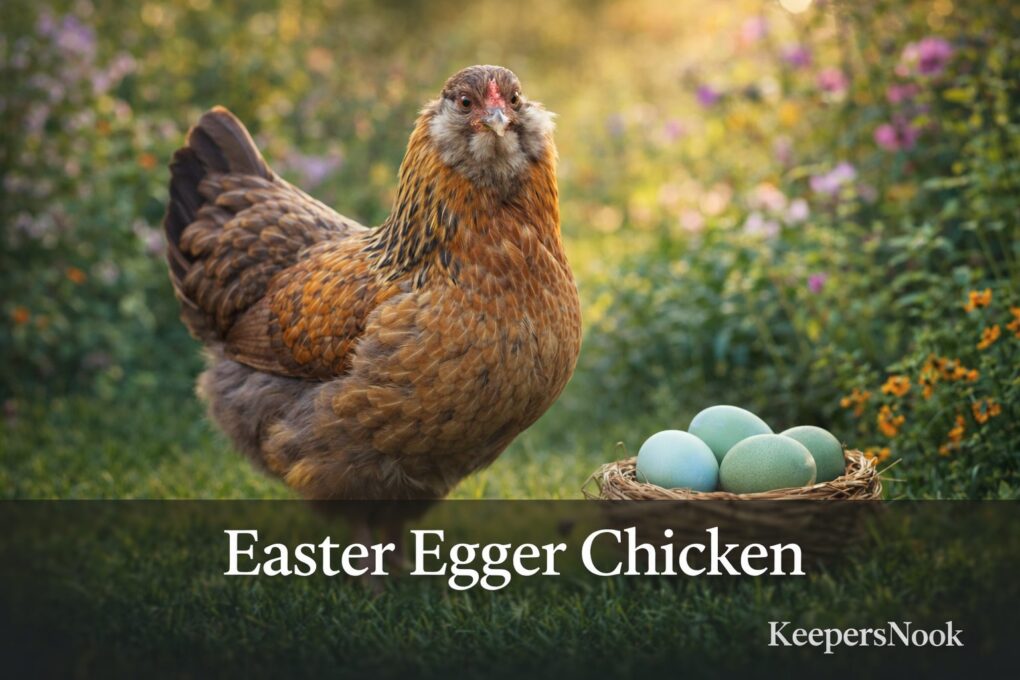
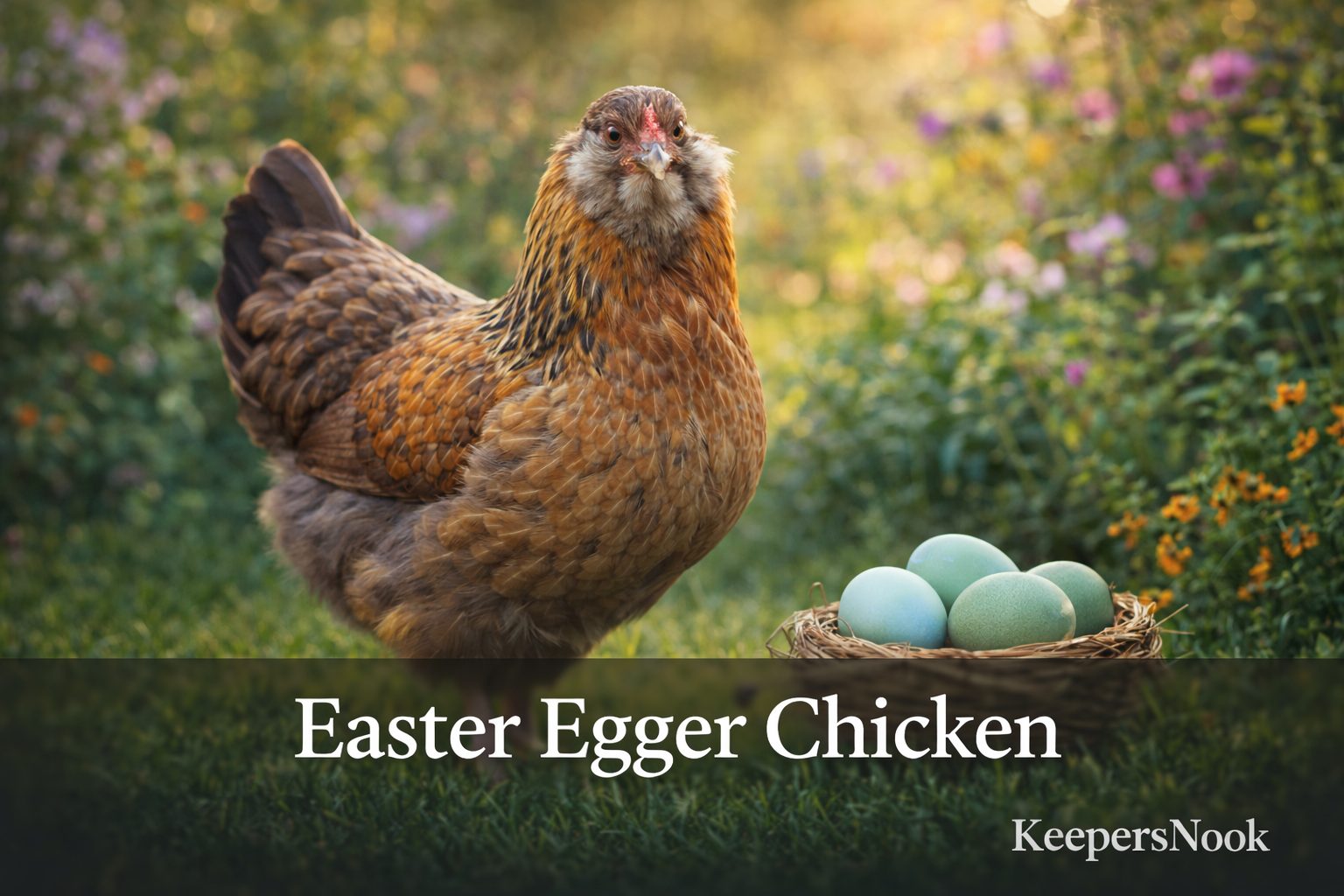
Easter Eggers are the most widely kept source of colored eggs in backyard flocks, and they earn that position on results. For flock enrichment that combines production volume with visual variety, no other hybrid matches them at this price point.
We place Easter Eggers at the top of our beginner breed shortlist for keepers who want colored eggs without the wait and cost of sourcing true Ameraucanas. The combination of hardiness, output, and low purchase price is difficult to beat.
Easter Egger vs. Ameraucana vs. Araucana: 3 Very Different Birds
This distinction matters more than any other fact on this page. Many hatcheries sell Easter Eggers labeled as "Ameraucanas" or "Americanas." The mislabeling is so widespread that the American Poultry Association formally acknowledges the confusion. Buying the wrong bird will not ruin your flock, but it will reset your expectations on price, consistency, and show eligibility.
Remember it later
Planning to try this recipe soon? Save it for a quick find later!
| Feature | Easter Egger | Ameraucana | Araucana |
|---|---|---|---|
| APA recognized breed | No (hybrid) | Yes (1984) | Yes (1976) |
| Egg color | Blue, green, olive, pink, or cream | Blue only | Blue only |
| Eggs per year | 200–280 | 150–200 | 150–180 |
| Chick price (hatchery) | $3–6 | $20–30+ | $25–40+ |
| Muffs and beard | Common, not universal | Required by standard | Ear tufts, no muffs |
| Rumpless trait | Rare | No | Yes (lethal gene pair) |
| Show eligible | No | Yes | Yes |
| Appearance consistency | Highly variable | Defined varieties | Defined varieties |
The price is the most reliable field identification. True Ameraucanas from reputable breeders cost $20–30 or more per chick. If the hatchery price is under $10 and the listing says "Ameraucana," you are buying an Easter Egger. That is not necessarily a problem. It just means adjusting expectations accordingly.
Araucanas carry a lethal gene pair in the rumpless and ear-tuft trait combination. Breeding two Araucanas together produces a percentage of unviable embryos at hatch, which limits flock expansion. Easter Eggers carry none of that genetic liability.
Easter Egger Egg Production: 200–280 Eggs in Blue, Green, Olive, or Pink
A healthy Easter Egger in her prime lays 200–280 eggs per year. That is four to five eggs per week at peak, which puts her in dedicated layer territory for a hybrid with this much temperament and hardiness.
Egg color is the defining feature and the most misunderstood one. Possible shades include blue, green, olive, and pink, along with cream in some hens. The exact color depends entirely on each hen's individual genetics. It is fixed at hatch and cannot change.
The most important production fact for new keepers: one color per hen, for life. Whatever she lays on day one, she lays at year five. Diet does not change it. Supplements do not change it. The oocyanin pigment deposited in the shell gland is a genetically determined process.
Egg size is medium to large. First eggs arrive at 18–22 weeks, smaller than mature size. Full egg size is typically reached within four to six weeks of consistent laying.
Broodiness is low to rare. Easter Eggers almost never go broody, which is ideal for consistent production. If you want to hatch eggs, you need an incubator or a dedicated broody breed as surrogate. Compare that to the Silkie, which goes broody three to five times per season and will sit on any egg you place under her.
Production holds strong through years one and two, then declines gradually. By year three, expect 140–180 eggs annually. Hybrid vigor extends productive lifespan compared to many purebreds.
- Blue eggs: the most sought-after color, produced by hens with two copies of the blue-egg gene
- Green eggs: the most common result when blue-egg genetics combine with brown-egg genetics
- Olive eggs: a darker green produced when a blue-egg layer crosses with a very dark brown-egg breed
- Pink or cream eggs: lighter shades produced when blue-egg genetics are diluted significantly
The exact distribution across a flock of six is impossible to predict. That variability is what separates Easter Eggers from the Australorp, which delivers consistent brown eggs at 300+ per year but no color variation.
Easter Egger Appearance: No Breed Standard, No Two Look Alike
Easter Eggers have no breed standard. Because they are hybrids, appearance varies dramatically between individual birds. Two Easter Eggers from the same hatchery can look completely different.
| Trait | Typical Range |
|---|---|
| Weight (hen) | 4–5 lbs |
| Weight (rooster) | 5–6 lbs |
| Comb type | Pea comb most common; single comb in some |
| Facial feathering | Muffs and beard common, not universal |
| Feather color | Any combination: black, white, red, blue, splash, partridge |
| Leg color | Willow green, slate, yellow, or gray |
| Eye color | Reddish-bay most common |
| Body shape | Medium, upright, moderately full-breasted |
The muffs and beard are the most consistent trait inherited from Ameraucana ancestry. Not every Easter Egger has them, but most do. They give the bird a distinctive chipmunk-cheeked appearance that many keepers find appealing.
The pea comb is the other reliable Ameraucana inheritance. It sits low and compact against the head, with minimal surface area exposed to cold. That structure directly determines cold hardiness, covered in the next section.
That variation is a feature for most keepers. A flock of six Easter Eggers gives you six visually distinct birds. No other breed category matches Easter Eggers for visual diversity in a single small flock.
Easter Egger Temperament: Friendly but Variable by Individual Bird
Easter Eggers are generally friendly and curious. Most rank among the more handleable birds in a mixed flock, particularly hens that are handled consistently from chick age. They tolerate attention, adapt to human presence quickly, and rarely show the flighty defensiveness of Mediterranean breeds.
The honest caveat is that hybrid means personality lottery. Some hens are lap birds that follow you around the yard. Others are skittish and flight-prone. You will not know exactly what you are getting until the bird matures at four to six months.
In a mixed flock, Easter Eggers usually land in the middle of the pecking order. They are assertive enough to hold their own against docile breeds but rarely the aggressor with others. Compare that to Wyandotte flock dynamics, which tend to be more dominant in mixed-breed flocks.
Easter Egger Cold and Heat Hardiness: Pea Comb Gives a Real Advantage
The pea comb is the primary reason Easter Eggers handle cold so well. It sits low and flat, with minimal exposed surface area. That means near-zero frostbite risk on the comb, one of the best natural cold adaptations in any backyard breed. Single-comb breeds like the Leghorn or Island Red cold-comb management require petroleum jelly on comb and wattles during extreme cold. Easter Eggers typically need no intervention at the same temperatures.
Cold tolerance overall is excellent. Dense plumage and the low-profile comb mean Easter Eggers handle well-below-freezing temperatures with a dry, ventilated coop and access to unfrozen water. Heating the coop is unnecessary and often counterproductive in most climates.
Heat tolerance is also above average. At 4–5 lbs, their lighter body weight generates less metabolic heat than heavier dual-purpose breeds. They handle summer heat better than larger heritage birds. Shade and cool water are sufficient management for most heat events.
Hybrid vigor adds another layer of resilience. Easter Eggers consistently show better disease resistance and longer productive lifespans than many purebred counterparts because their genetic diversity reduces the expression of recessive health conditions.
Easter Egger Housing: 3–4 Sqft Inside, Clip Wings If the Run Is Open
At 4–5 lbs, Easter Eggers need less indoor space than heavy dual-purpose breeds. Standard backyard coop sizing works well. Our coop planning guide covers full build specifications for flocks of four to twelve birds.
Easter Eggers are capable free-rangers. Given open access, they forage actively, cover ground efficiently, and reduce feed costs meaningfully. Their lighter weight and alert temperament make them more responsive to aerial predator threats than heavier breeds.
If your run is not fully covered above, plan to clip one wing per season. Easter Eggers are capable fliers and will test fencing up to four to six feet. A covered run eliminates the flight issue and adds hawk protection at the same time.
Feeding Easter Eggers: Diet Affects Yolk Color, Not Egg Shell Color
Feed a standard 16–18% protein layer feed starting at 18 weeks or at first lay, whichever comes first. Before that age, chick starter at 20–22% protein supports feather and bone development during the growth phase.
Calcium is critical for shell quality across 200–280 eggs per year. Offer crushed oyster shell free-choice in a separate container. Do not mix calcium into the main feed. Roosters and non-laying pullets do not need the additional calcium load, and excess dietary calcium causes kidney damage in non-laying birds over time.
Treats should stay under 10% of total daily intake. Safe options include high-vitamin berry treats and low-prep fruit snacks cut to appropriate size. Limit low-nutrition items. Bread and similar fillers occupy crop space without delivering useful protein or calcium.
- Chick starter (0–18 weeks): 20–22% protein, no added calcium
- Layer feed (18 weeks onward): 16–18% protein, balanced calcium
- Oyster shell: free-choice in a separate container at all times
- Grit: necessary if feeding anything other than pelleted or crumbled feed
- Treats: 10% of daily intake maximum; vegetables and protein sources preferred over sugary fruit
For safe treat options, see our guide on Easter Eggers can eat. Always confirm unfamiliar foods before offering them to the flock.
Easter Egger Health: Hybrid Vigor Is Real but Not a Management Excuse
Easter Eggers benefit from hybrid vigor, the genetic phenomenon where crossbred animals show fewer heritable health problems than purebreds. In practice, this means fewer reproductive disorders, stronger immune responses, and longer productive lifespans than many heritage-breed counterparts.
Standard parasite prevention applies regardless of hybrid status. Check for lice and mites monthly, particularly around the vent area and under the wings. Muffs and beards create additional microhabitat for external parasites. Inspect those facial feathers closely during monthly checks. Early detection prevents heavy infestations.
Respiratory health is the most common management concern. Adequate coop ventilation prevents the moisture buildup that drives respiratory infection. The target is draft-free airflow, not stagnant air. Bearded birds are more susceptible than clean-faced breeds because moisture collects in facial feathering.
Marek's disease vaccination is recommended for all chicks regardless of hybrid status. Request it when ordering from a hatchery. Most offer it for a small per-chick fee. It is the single most cost-effective disease prevention measure available for backyard flocks.
Leg mite infestations can go unnoticed because the varied plumage of Easter Eggers makes inspection less systematic. Check leg scales monthly for lifting, thickening, or crustiness. Treatment with petroleum jelly suffocates mites effectively in early-stage cases.
Expected lifespan for well-kept Easter Eggers is 8–10 years. Productive laying continues through years two to three, with gradual decline after that. Many keepers retain Easter Eggers past peak production because their temperament and low daily maintenance cost make them worth keeping as flock members.
Easter Egger vs. Similar Breeds: Where They Fit the Flock
Easter Eggers are not the best bird for every situation. Understanding where they fit relative to similar options helps you decide whether they belong in your flock or whether a different breed better matches your goals.
- vs. Orpington: choose the Orpington if you want the calmest, most pet-like temperament in the flock and are willing to accept 180–200 eggs per year in plain brown
- vs. Australorp: the Australorp production rate reaches 300+ eggs per year in consistent brown; choose it over Easter Eggers if volume matters more than egg color
- vs. Wyandotte: Wyandotte flock integration is slightly more dominant in mixed flocks and lays 200–240 brown eggs per year with a more consistent temperament profile
- vs. Silkie: the Silkie breed is for ornamental keeping and brooding, not production; Easter Eggers outproduce them three to one
- vs. True Ameraucana: Ameraucanas guarantee blue eggs and APA recognition at three to five times the chick cost; Easter Eggers are the accessible entry point to colored-egg flocks
For a side-by-side comparison of top egg layers including Easter Eggers, see our egg-laying breed rankings, which covers output, egg color, climate tolerance, and beginner suitability across twelve breeds.