
Setup guide
Care guides, not care myths
Housing sizes, water parameters, safe foods, and tank mates, written against primary sources by keepers who have made the mistakes already.

Journals, university extension services, and veterinary bodies, listed at the foot of the page.
Enclosure sizes in inches and litres, temperatures in degrees, not "a decent sized tank".
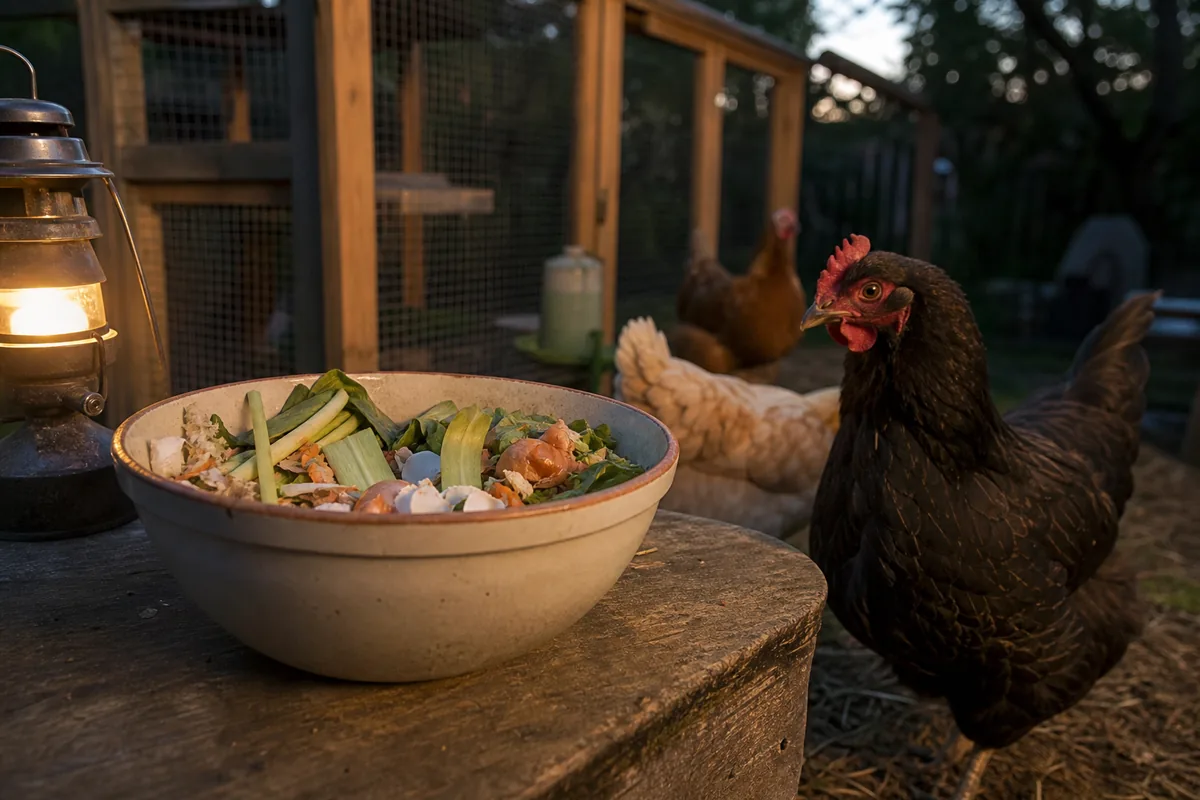
Anything a reader might feed an animal is verified against a primary source before it ships.
Every page carries a byline and a contact address. Corrections reach a person.
Where to start
Six silos, each carrying the setup, feeding, health, and compatibility guides that animal actually needs.
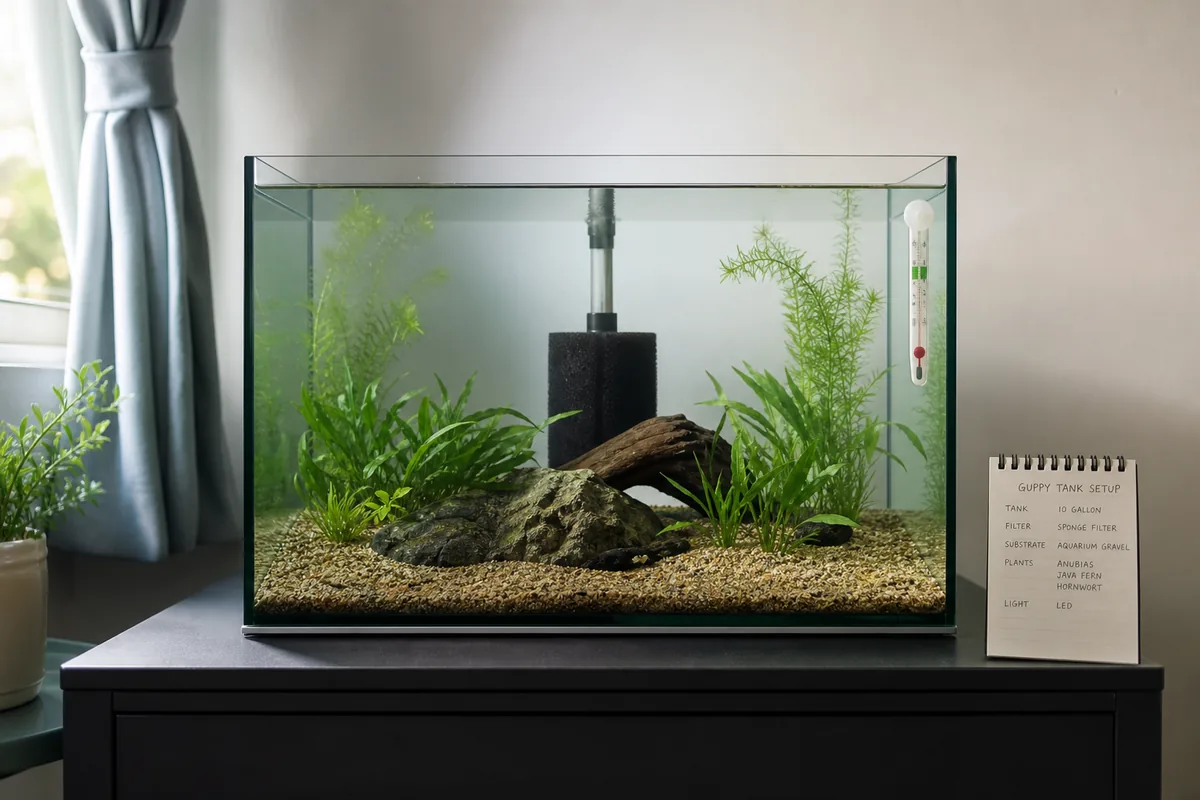
 Freshwater Fish
Stocking, water parameters, tank mates, and the setup decisions that keep a freshwater tank stable.
130 guides
Freshwater Fish
Stocking, water parameters, tank mates, and the setup decisions that keep a freshwater tank stable.
130 guides
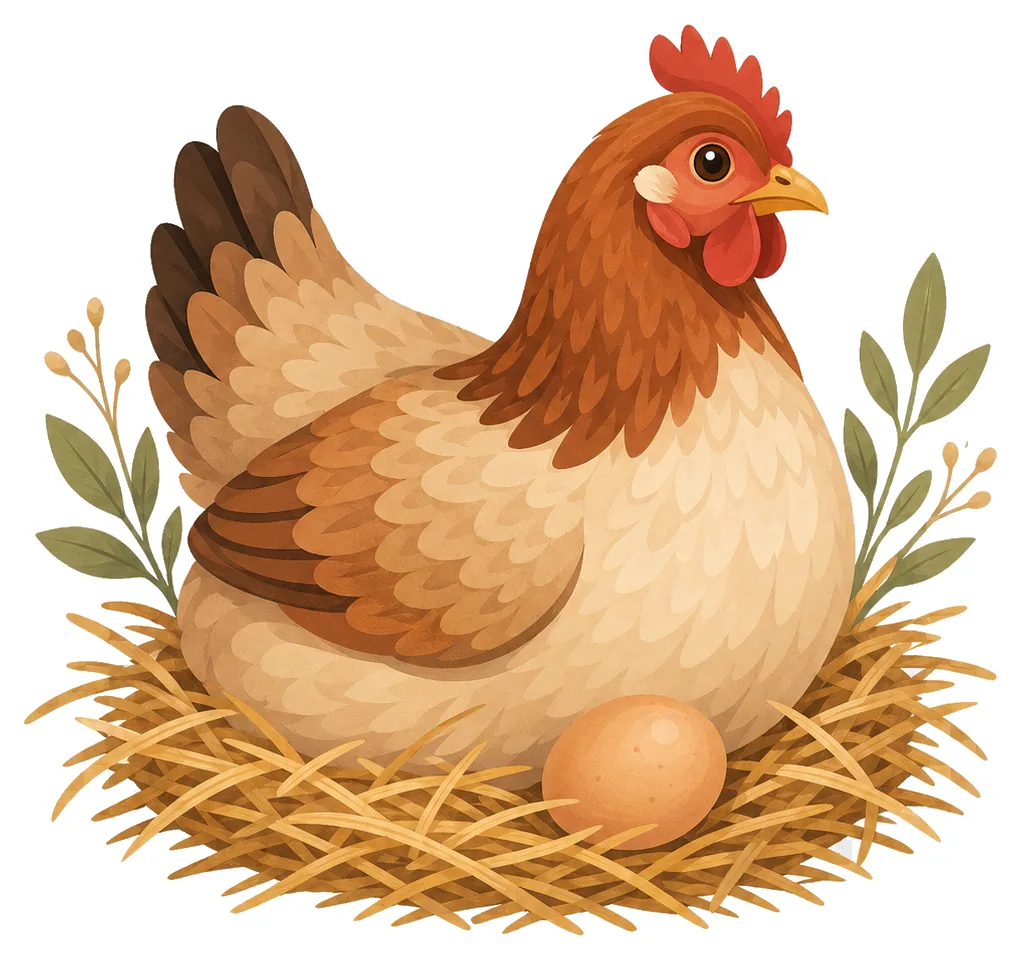 Poultry
Breed selection, coop and run design, feed safety, laying performance, and flock health.
90 guides
Poultry
Breed selection, coop and run design, feed safety, laying performance, and flock health.
90 guides
 Reptiles
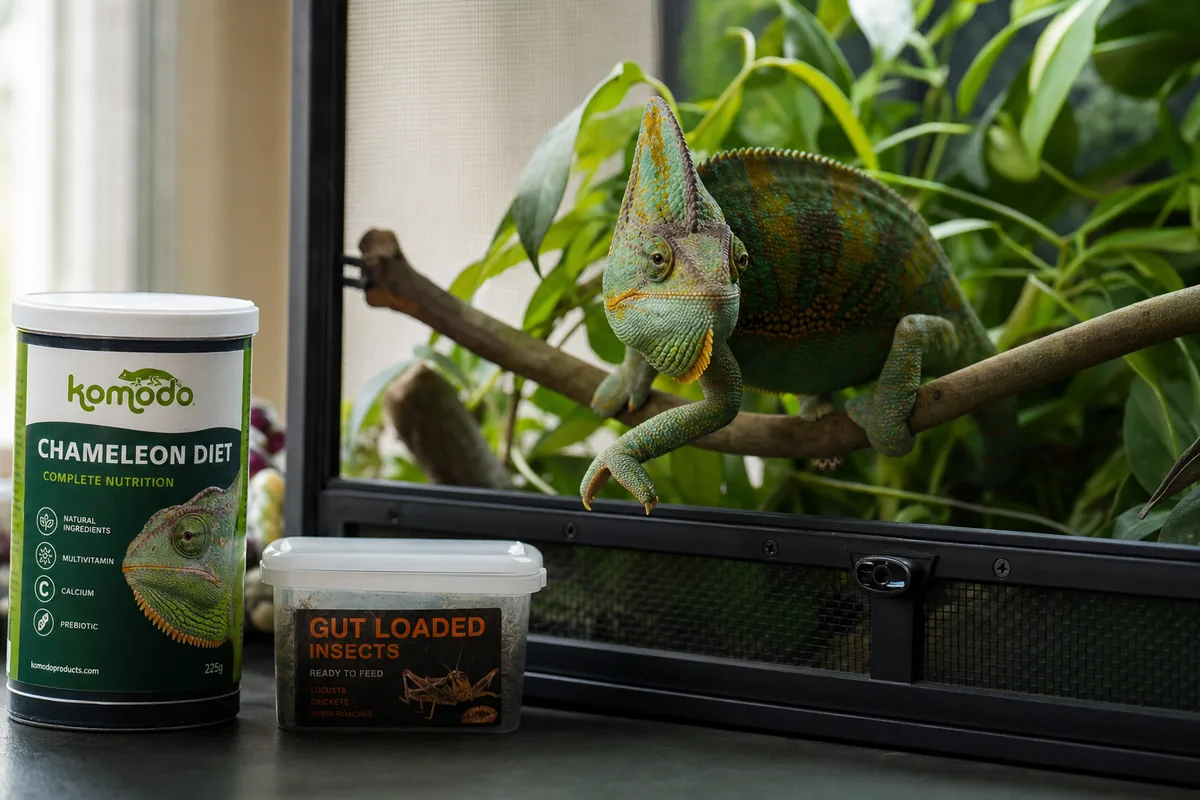
Heat gradients, UVB, humidity, enclosure sizing, and species-specific feeding schedules.
61 guides
Reptiles
Heat gradients, UVB, humidity, enclosure sizing, and species-specific feeding schedules.
61 guides
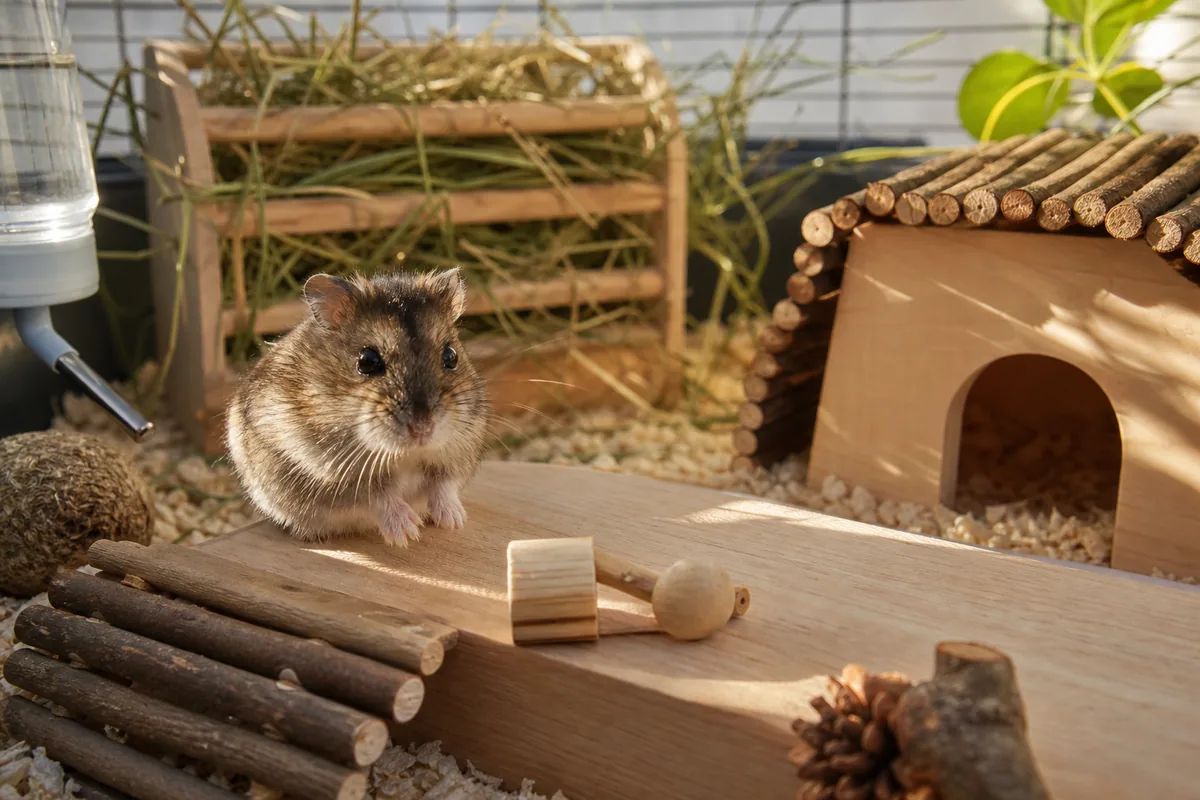
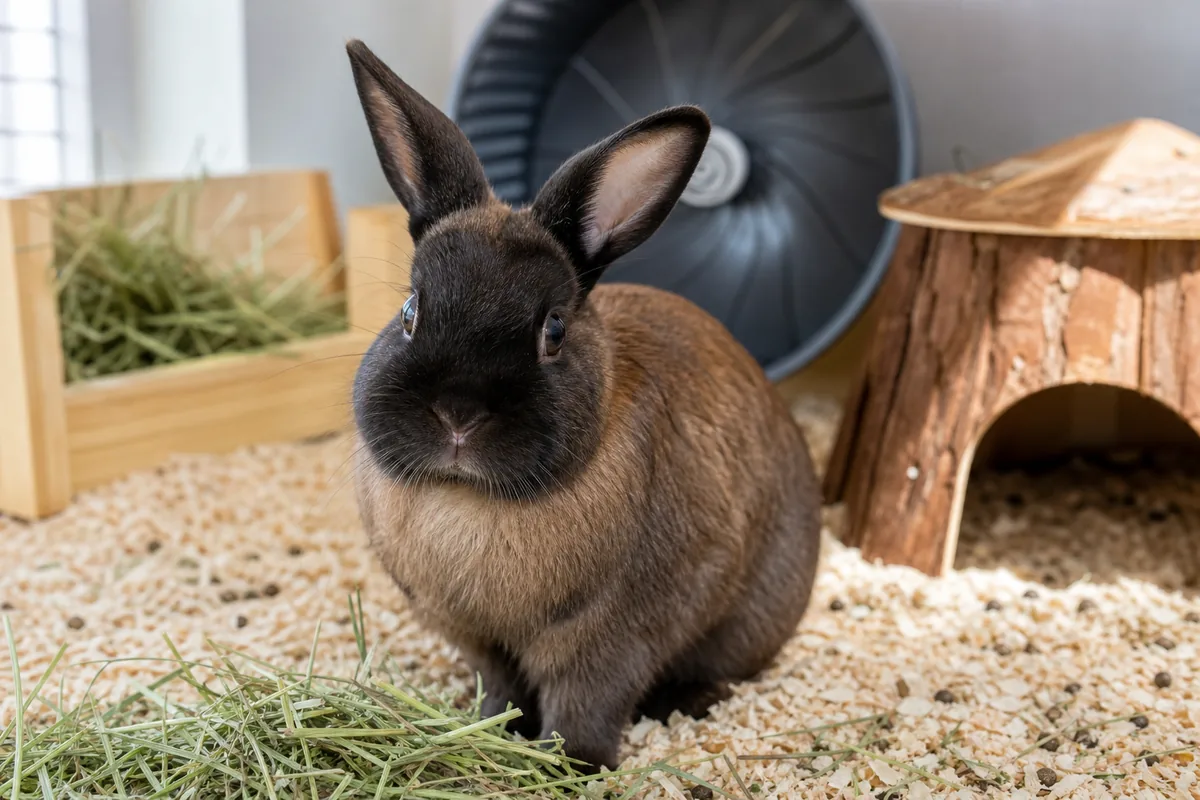
 Small Mammals
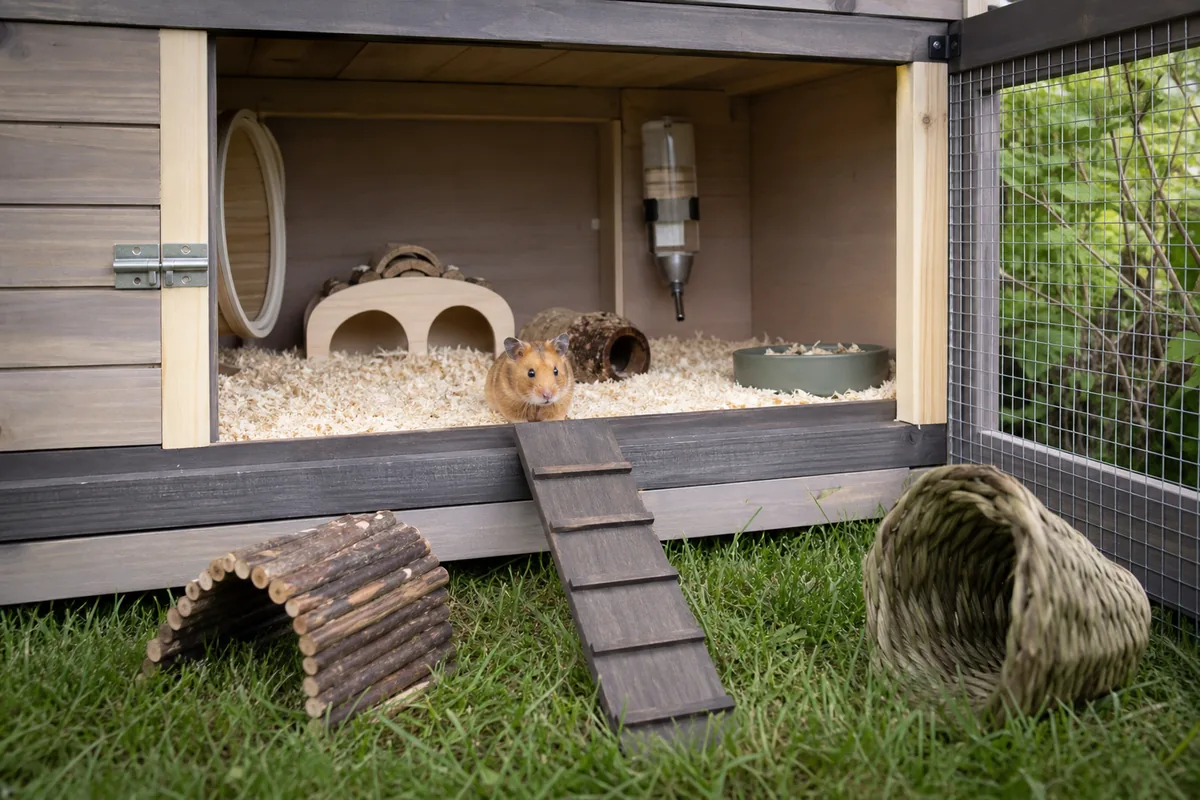
Housing size, bedding, safe produce, social needs, and the lifespan you are signing up for.
49 guides
Small Mammals
Housing size, bedding, safe produce, social needs, and the lifespan you are signing up for.
49 guides
 Pet Birds
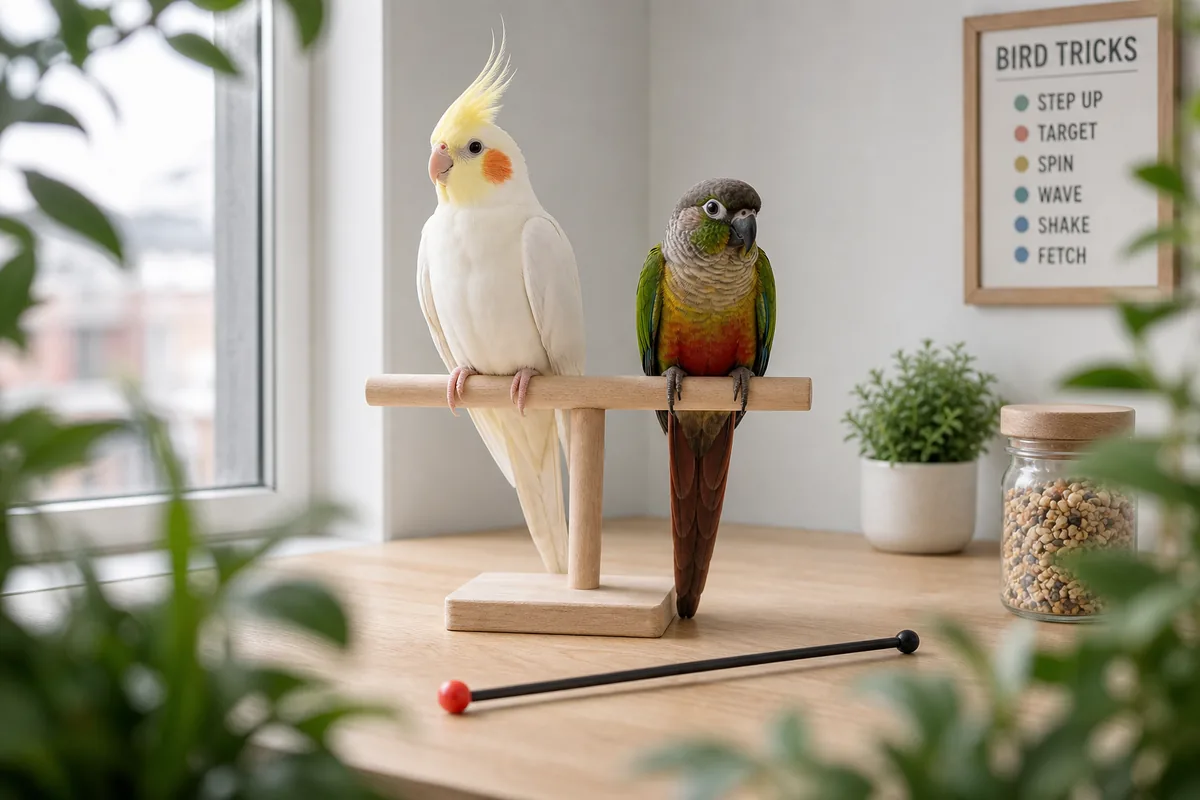
Cage sizing, enrichment, diet beyond seed, talking ability, and species temperament.
34 guides
Pet Birds
Cage sizing, enrichment, diet beyond seed, talking ability, and species temperament.
34 guides
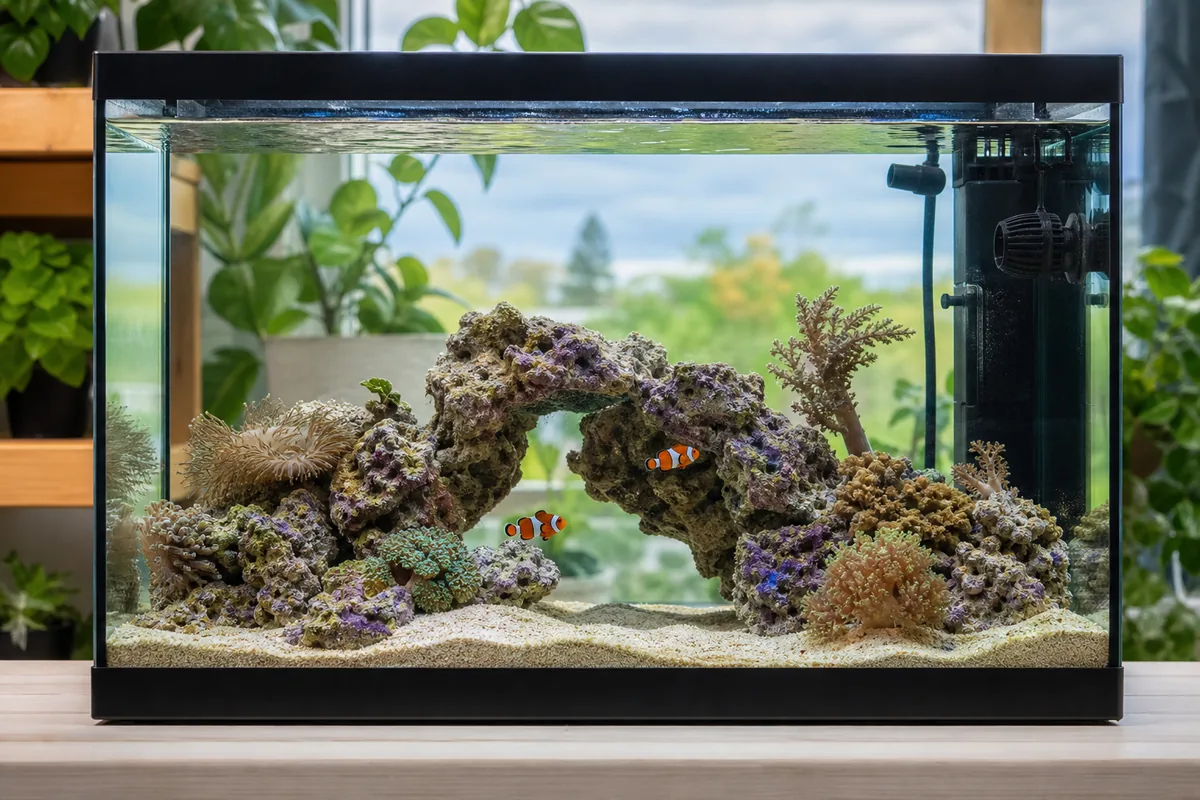
 Saltwater Fish
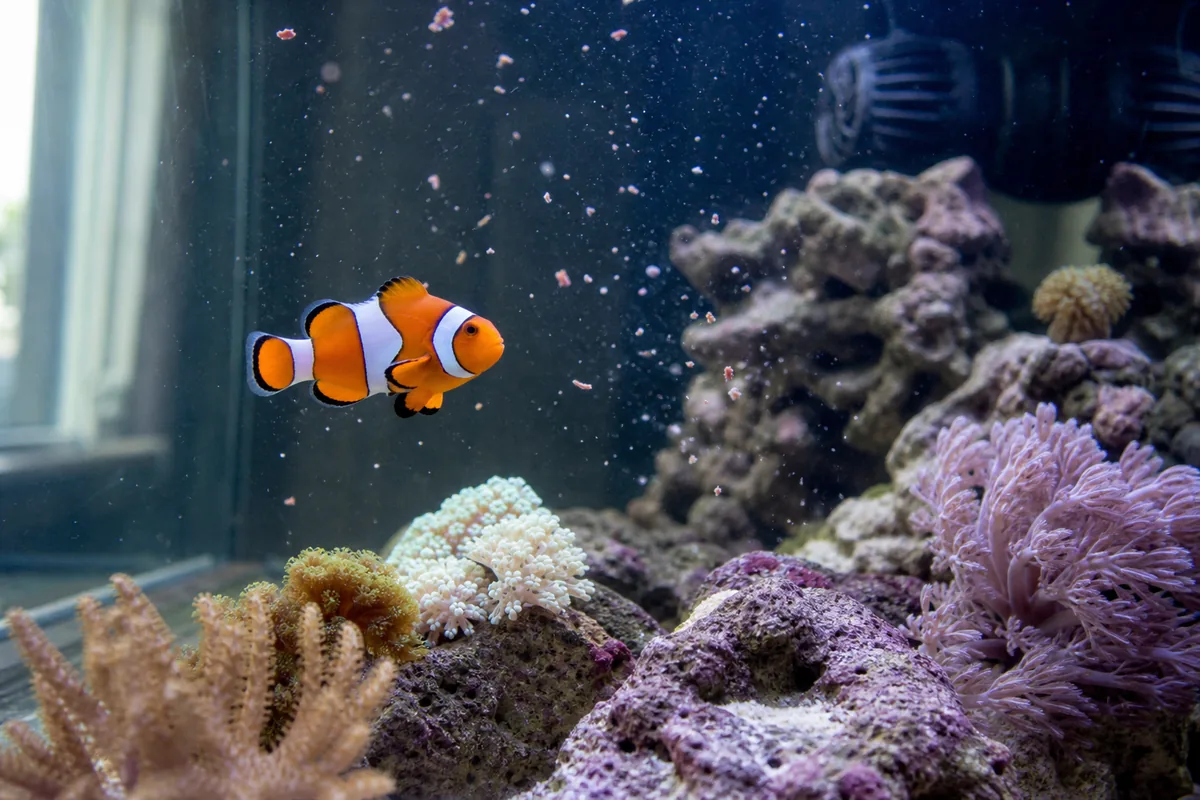
Reef-safe stocking, salinity and flow, quarantine, and what a marine tank actually demands.
26 guides
Saltwater Fish
Reef-safe stocking, salinity and flow, quarantine, and what a marine tank actually demands.
26 guides
Before you buy
Care level describes what the animal demands of you, not how good the animal is. An expert species is not a better pet, it is a worse first pet.
Forgiving of small mistakes. Recovers from a missed water change or a late feed.
Standard equipment, wide tolerance for parameter swings, easy to source food.
Needs a routine that holds. Mistakes show up within days rather than weeks.
Specific parameters to hold, some specialist equipment, a real weekly schedule.
Narrow tolerances. Assumes you already keep something at the level below well.
Tight parameter control, dedicated equipment budget, a vet found before you need one.
Unforgiving. A single lapse in heat, humidity, or water quality kills the animal.
Continuous monitoring, backup equipment, specialist vet access, years of prior keeping.
A cross section
Judge the writing before you trust it. These are picked one per animal, not by traffic.
How we research
Guidance is built from peer-reviewed work, university extension material, and veterinary bodies, in that order. Where the evidence is thin we say so instead of filling the gap with confidence.
New to keeping
Three questions decide whether an animal works in your home: how much space it truly needs, what it costs to run each month, and what it can live with.
Recently published
Newest first, across every silo.
What is covered
Counts are queried live from the published set. Nothing here is rounded up.
Every silo opens with the questions people ask before they buy, not after.