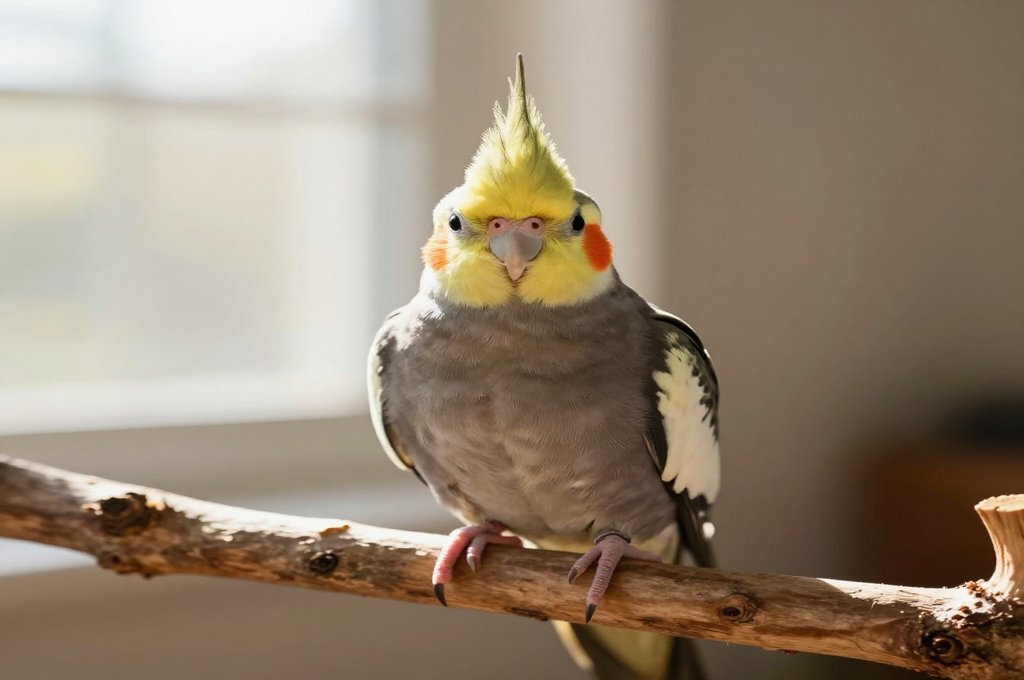
Most beginners make the same mistake: they pick a bird based on looks rather than fit. Our pet bird care guides cover the full range from budgies to macaws, but this list focuses on the species that actually work for keepers who are starting from zero.
We've ranked 8 species on five criteria that matter in year one: ease of taming, noise level, cost, lifespan, and daily time requirement. The rankings reflect what makes a successful first bird, not what makes the most impressive one.
| Species | Noise | Taming Ease | Cost | Lifespan | Time/Day |
|---|---|---|---|---|---|
| Cockatiel | Moderate | Easy | $100–$250 | 15–25 yrs | 1–2 hrs |
| Budgerigar | Moderate | Moderate | $20–$60 | 7–15 yrs | 1–2 hrs |
| Ringneck Dove | Very low | Moderate | $25–$75 | 12–15 yrs | 30 min |
| Green-cheeked Conure | Moderate | Easy | $250–$400 | 15–25 yrs | 2–3 hrs |
| Pionus Parrot | Moderate | Easy | $200–$400 | 25–40 yrs | 2 hrs |
| Canary | Low–moderate | Hands-off | $25–$150 | 10–15 yrs | 15 min |
| Zebra Finch | Low | Hands-off | $10–$30 | 5–10 yrs | 15 min |
| Lovebird | Moderate | Variable | $50–$200 | 10–20 yrs | 1–2 hrs |
What Makes a Good Beginner Bird? 4 Criteria That Matter
Before picking from a list, understanding the criteria helps you weight them toward your actual situation. A retired keeper at home all day has different priorities than someone with a full-time job and a small apartment.
Remember it later
Planning to try this recipe soon? Save it for a quick find later!
- Taming ease: How quickly does a hand-raised bird accept handling? Cockatiels score highest; finches and canaries aren't handleable by nature
- Noise tolerance: Doves and finches work in apartments; conures and lovebirds need noise-tolerant neighbors
- Daily time requirement: Parrots need 1–3 hours of direct interaction; finches and canaries need only cage maintenance
- Lifespan commitment: A cockatiel purchased today may still need care in 20 years; a zebra finch averages 5–10
1. Cockatiel, Best Overall Beginner Bird
Cockatiels are the most handleable beginner parrot. Most hand-raised individuals step onto a finger from day one, tolerate moderate beginner mistakes, and form genuine bonds with daily interaction.
The crest communicates mood clearly, a useful feedback loop for new keepers learning to read bird body language.
At 12–13 inches and 2.8–4.2 oz, cockatiels are large enough to handle safely without the intimidation factor of a larger parrot. They whistle and mimic tunes rather than talk in words, which most keepers find pleasant rather than annoying.
Noise level is appropriate for apartments with reasonable walls.
2. Budgerigar (Budgie), Best Budget Beginner Bird
Budgies are the most widely kept pet bird in the world. At $20–$60 and a minimum 18×18×24 inch cage, the barrier to entry is lower than any other parrot.
Male budgies are exceptional talkers, capable of 50–200 word vocabularies with patient training.
Taming requires more patience than cockatiels, most pet-store budgies aren't hand-raised and need 3–6 weeks of consistent, patient handling sessions before tolerating regular contact. The reward is a highly entertaining, vocal bird in a very small footprint.
3. Ringneck Dove, Best for Quiet Households
Ringneck doves are the quietest pet bird on this list. Their soft cooing call is comparable to distant traffic and causes zero noise complaints in any housing situation.
For keepers in strict apartments, urban condos, or noise-sensitive environments, doves fill a niche no parrot can occupy.
Doves are pair-oriented rather than keeper-bonded. They do best in same-sex pairs, require minimal daily interaction (cage maintenance plus feeding), and have a 12–15 year lifespan on simple care.
They won't ride on your shoulder, but they will coo gently from their perch.
4. Green-cheeked Conure, Best Active Companion Bird
Green-cheeked conures are the smallest conure species and among the least noisy. At 10 inches and 2–3 oz, they're a manageable size with a big personality: playful, acrobatic, and deeply interested in whatever their keeper is doing.
They enjoy being held and tucked inside a shirt pocket or collar area, a behavior called "tenting" that most keepers find endearing.
The caution for beginners: green-cheeks need 2–3 hours of out-of-cage interaction daily and are nippy when bored or overstimulated. They're not as immediately forgiving as cockatiels, but they're the best active companion bird for keepers who can meet the time requirement.
5. Pionus Parrot, Best Mid-Size Beginner Parrot
Pionus parrots are consistently underrated as beginner birds. At 10–12 inches and 7–9 oz, they're medium-sized with the calm, steady temperament that many larger parrots lack.
Blue-headed and Maximilian's pionus are the most available varieties.
Pionus birds are quieter than Amazons, less demanding than cockatoos, and less expensive than African greys. They're not the flashiest talkers or the most acrobatic performers, but they're steady, affectionate, and forgiving, exactly what a beginner needs in a bird that will live 25–40 years.
6. Canary, Best Hands-Off Bird
Canaries are the correct choice when you want the sight and sound of a bird without the handling component. A male canary's song is truly beautiful, complex, varied, and melodic in a way no other common pet bird produces.
They require only daily feeding, water changes, and weekly cage cleaning.
Canaries are not handleable birds in the parrot sense. They don't seek contact and most never tolerate regular handling.
They are observation birds, not companion birds, and that's a perfectly valid role for keepers whose lifestyle doesn't support daily interaction time.
7. Zebra Finch, Best Pair Bird for Minimal Time
Zebra finches are the lowest-maintenance cage birds available. Keep a pair, provide a well-planted cage, change food and water daily, and they take care of the rest.
Sexed pairs will breed readily, manage this with same-sex pairings or dummy eggs if you don't want chicks.
At $10–$30 per bird and cages appropriate from 24 inches wide, finches represent the lowest entry cost on this list. They live 5–10 years and require almost no hands-on time beyond maintenance.
8. Lovebird, Handleable but Requires Consistent Work
Lovebirds are small parrots with large personalities. Hand-raised lovebirds can become deeply affectionate with their primary keeper.
The caveat is consistency: lovebirds not handled daily become nippy and difficult to manage. They also tend to become hormonal and territorial in spring, during which even tame individuals may bite.
Lovebirds work well for keepers who can commit to daily handling sessions. They're not the most forgiving beginner bird, but they're manageable for someone willing to maintain the routine.
The budgerigar earns the top spot for most beginners and our detailed budgie care guide covers everything you need to know before bringing one home.
Finches are ideal for keepers who want a beautiful, low-interaction bird, and our finch care guide covers the aviary setup and diet that keeps them thriving.
Ringneck doves are gentle and forgiving for first-time keepers and our dove care guide covers the minimal handling requirement and straightforward diet.
Fresh food is part of every beginner bird's diet and our guide on birds eating apple covers the simple preparation that makes it a safe daily offering.
Every new keeper needs to read our article on avocado toxicity for birds to understand why that fruit must never be in the kitchen when birds are present.
Keepers specifically drawn to talking ability should also read our best talking birds guide to understand which beginner-friendly species talk reliably.
How to Pick the Right Bird for Your Situation
Match the bird to your actual daily schedule and housing, not your ideal version of either.
Cockatiels are the second most recommended starter bird and our cockatiel care guide covers the slightly larger time and space commitment they require.
Canaries are another low-handling option that suits new bird keepers and our canary bird care guide covers the singing, diet, and housing basics.
Lovebirds can work for committed beginners but carry caveats that our lovebird care guide addresses clearly before recommending the species to new keepers.
Blueberries are one of the easiest and safest fresh foods for any beginner to offer and our article on blueberries for pet birds confirms the correct serving frequency.
Noise tolerance varies widely among new keepers, so our quiet pet birds guide is a companion read for anyone in an apartment or shared living situation.