Talking ability is the single most requested trait in pet birds. Our pet bird care guides cover the full parrot spectrum, but this comparison focuses specifically on which species actually talk well, how many words to expect, and what it takes to develop their ability.
One truth upfront: no parrot talks on a timer. Speech development depends on the individual bird, your training consistency, and the species' neurological ceiling.
These rankings reflect realistic population averages, not the exceptional outlier.
| Species | Avg. Vocabulary | Clarity | Contextual Use | Cost | Difficulty |
|---|---|---|---|---|---|
| African Grey (Congo) | 200–1000+ words | Exceptional | Yes, understands meaning | $1,500–$3,500 | High |
| Yellow-naped Amazon | 100–200 words | Excellent | Partial | $1,000–$2,500 | Moderate–high |
| Blue-fronted Amazon | 100–150 words | Very good | Partial | $800–$2,000 | Moderate |
| Indian Ringneck Parakeet | 100–200 words | Very good | Partial | $400–$900 | Moderate |
| Eclectus Parrot | 100–150 words | Very good | Partial | $1,000–$2,000 | Moderate–high |
| Blue and Gold Macaw | 50–100 words | Good | Limited | $1,200–$2,500 | High |
| Budgerigar (male) | 50–200 words | Good | Limited | $20–$60 | Low–moderate |
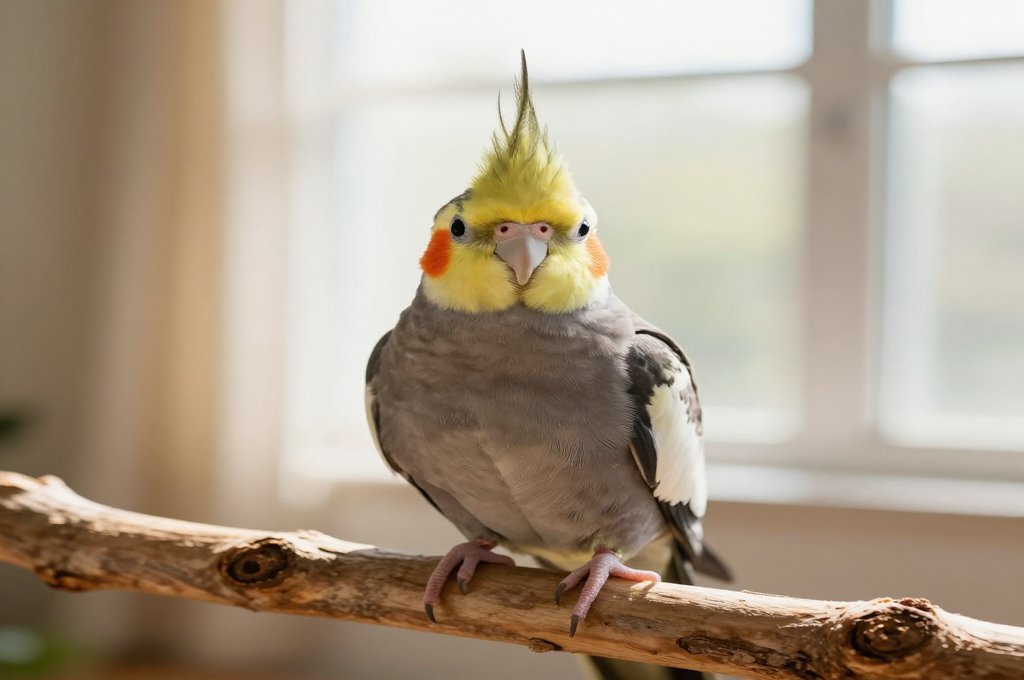
| Cockatiel (male) | 20–50 words | Moderate | Limited | $100–$250 | Low |
African Grey Parrot, Best Talking Bird, Period
African Grey parrots (particularly the Congo subspecies) are in a category of their own. Dr.Irene Pepperberg's work with a Grey named Alex demonstrated that these birds don't merely mimic, they use words to communicate specific concepts including color, shape, material, and number.
Remember it later
Planning to try this recipe soon? Save it for a quick find later!
Alex had a working vocabulary of over 100 words used meaningfully and could answer novel questions correctly.
Pet African Greys regularly develop vocabularies of 200–500 words, with exceptional individuals exceeding 1,000. Clarity is exceptional, a Grey speaking in context is frequently mistaken for a human voice.
They develop vocal ability without formal training sessions simply by absorbing household language and context.
What African Greys Need to Talk Well
African Greys learn language through exposure, not drilling. They absorb words from daily household conversation, television, music, and repeated contextual phrases.
The most effective training is not a formal session, it's consistent narration of daily activities: "good morning," "time to eat," "step up," "I'll be back."
Greys that are isolated, bored, or chronically stressed do not develop vocabulary. The language capacity is neural but expression requires a secure, stimulated bird.
Invest in the husbandry first and the talking follows.
The African grey tops every talking bird list and our dedicated african grey parrot care guide covers the full commitment required to keep the world's most capable avian speaker.
Parrotlets can learn words with consistent training and our parrotlet care guide covers what to expect from a species where talking results vary significantly.
Two of the most accessible talking birds are compared directly in our budgie vs cockatiel guide, which covers talking ability alongside noise, size, and bonding style.
Yellow-naped Amazon, Best Talking Amazon Parrot
Among Amazons, the Yellow-naped is the most consistent talker. Average vocabularies run 100–200 words with excellent clarity that approaches Grey-level articulation.
Yellow-napes are also singers, they pick up songs, phone ringtones, and musical phrases with remarkable fidelity.
The trade-off: Yellow-naped Amazons are the most hormonal of the talking Amazons. During spring breeding season (February–May), previously sweet birds can become aggressive and territorial toward even their primary keeper.
This is normal and temporary, but it requires experienced handling during the hormonal period.
Blue-and-gold macaws are among the most reliable talkers in the large parrot category and our macaw care guide covers the space and cost involved.
Training sessions with talking parrots benefit from soft treat rewards like banana, and our guide on birds eating banana confirms its use as a low-mess reward.
Indian Ringneck Parakeet, Best Mid-Price Talker
Indian Ringneck parakeets are the best talking bird in the $400–$900 price range. Their vocabulary ceiling of 100–200 words rivals Amazons at a fraction of the cost.
Clarity is very good, Ringnecks speak in a distinctive, somewhat robotic but intelligible voice that carries phrases clearly.
Ringnecks go through a "bluffing" phase between 4–12 months where previously tame birds become nippy and resistant to handling. This is developmental, not permanent.
Keepers who maintain consistent calm interaction through the bluffing phase emerge with a tame, talking bird. Keepers who give up during it end up with an untameable adult.
Ringneck Training Approach
Ringnecks respond well to mirror training, placing a small mirror in the cage creates the illusion of a flock companion and stimulates vocalization. They are also highly food-motivated, making treats effective rewards for repeating target words.
Short 5-minute sessions twice daily outperform long infrequent sessions for vocabulary development.
Male budgies are the surprise entry on this list, and our budgie care guide explains how to train a vocabulary of 50–100 words in a bird that costs under $30.
Blueberries are a popular reward during talking training sessions and our article on blueberries as bird treats covers how to use them without overfeeding sugar.
- Training session length: 5–10 minutes, twice daily maximum
- Best reward: a favorite nut or seed delivered within 2 seconds of mimicking the target word
- Voice quality: speak clearly at normal volume, Ringnecks reproduce the pitch and cadence, not just the word
- Patience window: most Ringnecks begin talking between 8–18 months of age
Budgerigar, Best Talking Bird Under $100
The budgerigar holds a remarkable record for a bird that weighs 1 ounce: the world's largest verified bird vocabulary belonged to a budgie named Puck with 1,728 words. Population averages are far more modest at 50–200 words, but that still rivals birds five times the budgie's size and price.
Only male budgies develop significant vocabulary. Females can learn a few words but rarely build the large working vocabulary males develop.
Talking ability is individual, some males never talk despite the species' capability, and you cannot predict outcome from a juvenile bird.
Cockatiels excel at tune mimicry rather than word clarity, and our cockatiel care guide covers how training sessions differ from the repetition approach used with grey parrots.
Some talking birds are beginner-friendly and some are not, and our best birds for beginners guide clarifies which species on this list a new keeper can actually manage.
- Key fact: only males talk consistently; females rarely develop vocabulary
- Training trigger: repetition in context, use the same word in the same situation daily
- Clarity: budgie voices are higher-pitched and faster than large parrots, but clearly intelligible
- Timeline: most males begin attempting words at 3–6 months of age
How to Train Any Bird to Talk: The 3 Rules That Work
Talking ability is species-determined at the ceiling but training-dependent in terms of what gets expressed. These rules apply across all species on this list.
Female parrots can talk, but the sex difference is significant in some species and absent in others. Female African Greys talk as well as males, there is no meaningful sex difference in Greys.
Female Amazons can develop good vocabularies. Female budgies rarely talk.
Female cockatiels almost never develop word vocabulary, though they whistle. For budgies and cockatiels specifically, if talking ability is the priority, a male is the reliable choice.
For Greys and Amazons, either sex works equally well.
Some conure species develop respectable vocabularies and our conure care guide covers the personality traits that accompany their talking ability.
Talking birds are rarely the quietest choice, so our quiet pet birds guide is a useful read for households that want vocabulary without screaming calls.