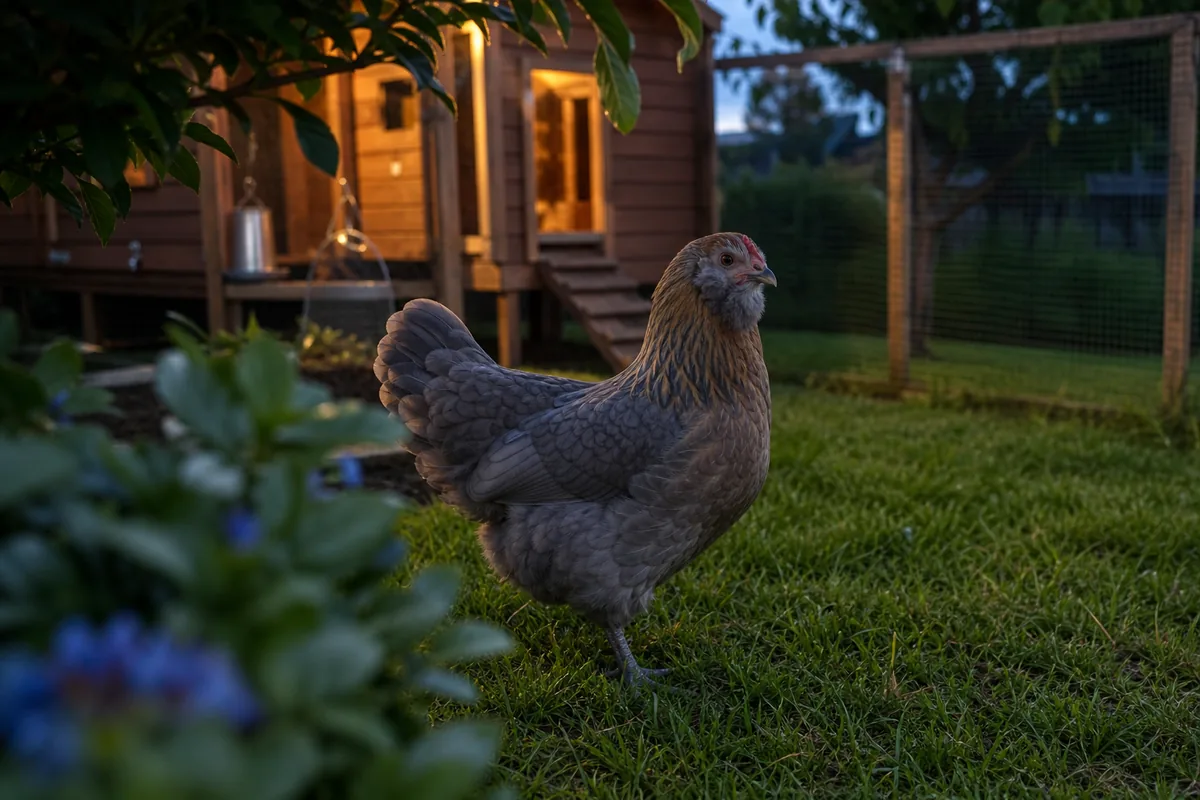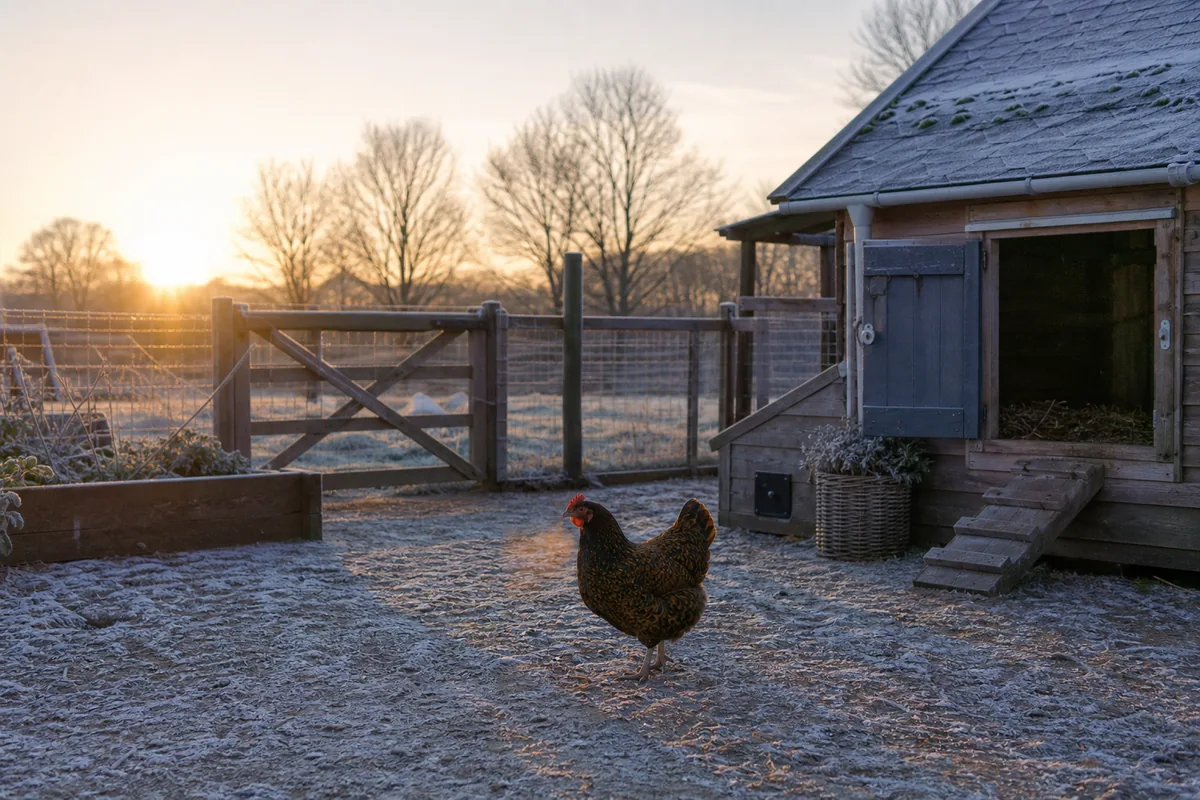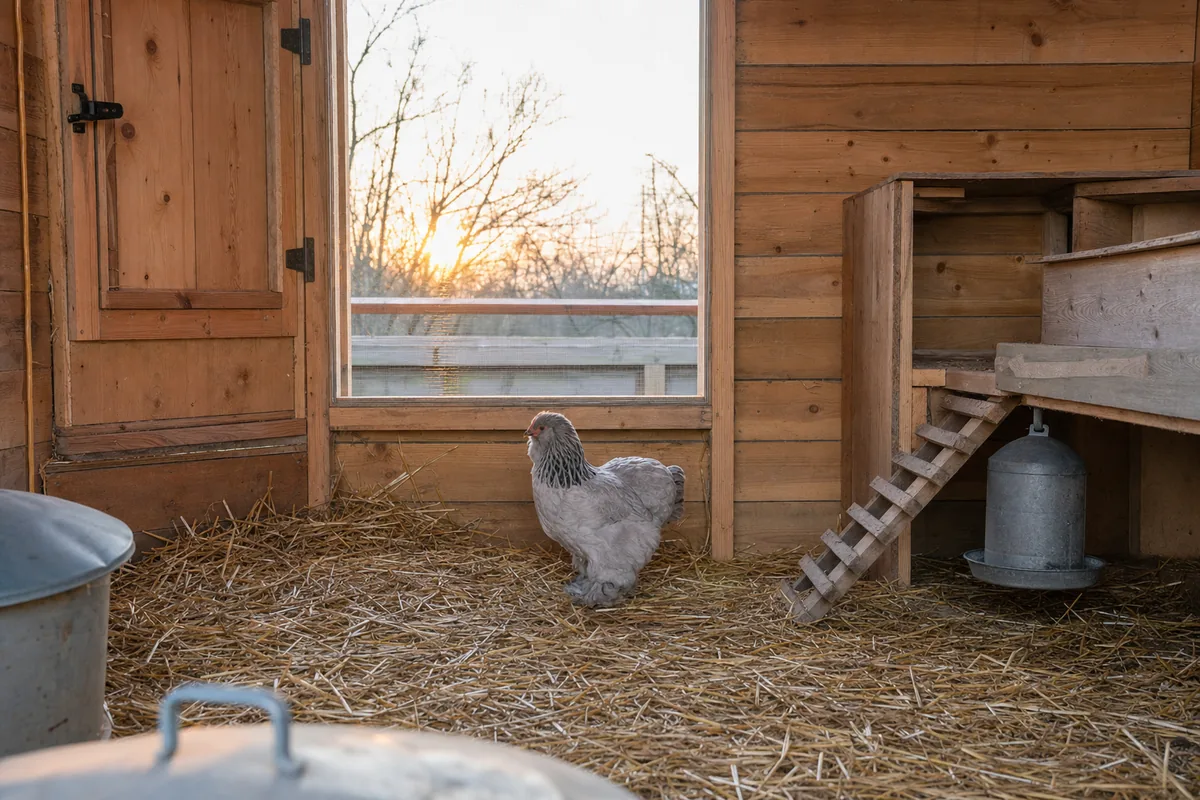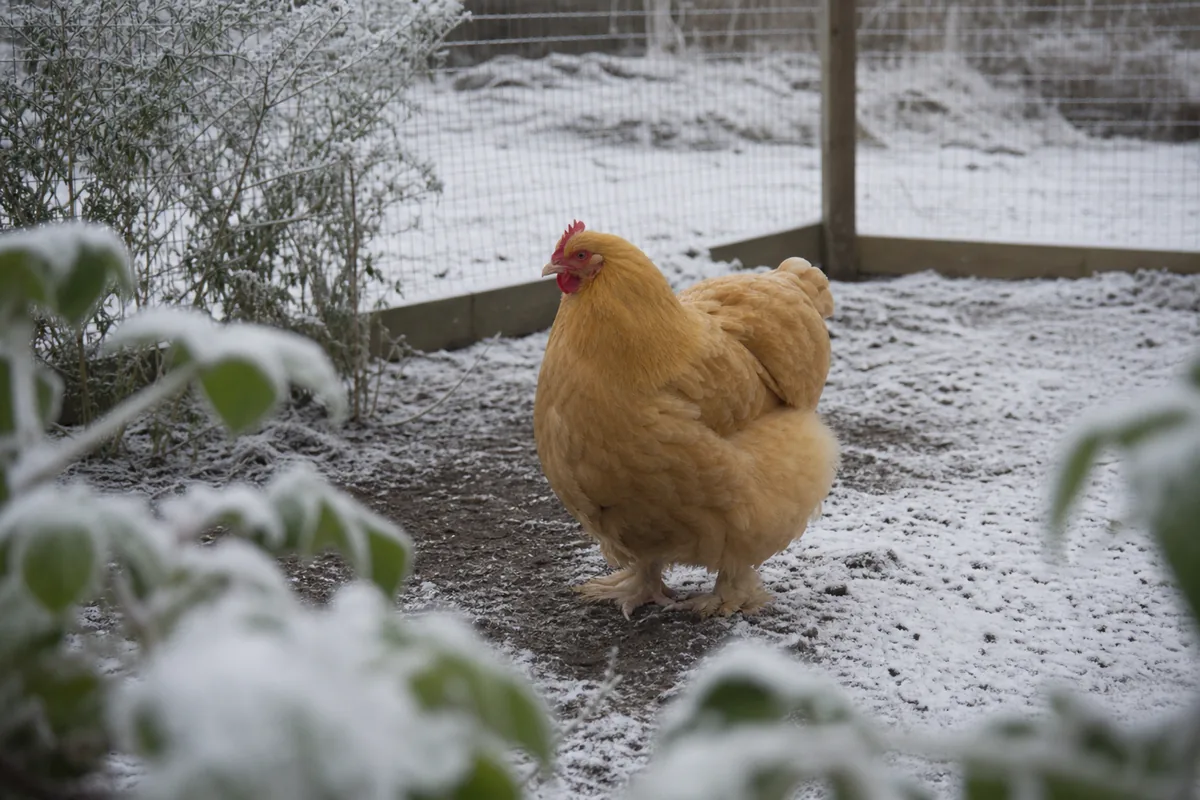
Hamburgs were productive long before most breeds existed. With origins traced to the Netherlands and Germany, they predate formal breed standards by centuries and were already prized for egg production and ornamental appearance before poultry keeping became a structured hobby.
This guide covers everything you need to know about Hamburg chickens egg: egg numbers, variety differences, temperament realities, housing requirements, feeding, health, and whether this breed belongs in your flock.
Key facts
- Eggs/Yr
- 200-255
- Hen Weight
- 4 lbs
- Rooster Weight
- 5 lbs
- Egg Color
- White
- Lay Age
- 4.5-5 months
- Cold Hardy
- Yes (rose comb)
Hamburg Chicken Egg Production: 200-255 White Eggs Per Year
Hamburg hens begin laying at 4.5 to 5 months old, which places them among the earliest-maturing heritage breeds available. That early start combined with their consistent output rate is why they earned the "Everlayer" nickname generations ago.
Annual egg totals land between 200 and 255 small white eggs per hen. For a heritage breed, that number is genuinely high.
Most traditional dual-purpose breeds max out at 180-220 eggs per year. The Hamburg competes with a similar production style in total output while carrying the genetics of a centuries-old landrace rather than a modern production line.
Eggs are small to medium in size, consistently white-shelled, and uniform in quality. The small size is a trade-off you accept with the breed.
If large egg size matters to your household, Hamburgs are not the right choice regardless of their production numbers.
Broodiness is very low. Hamburg hens have had the broody instinct selected out over generations of production breeding.
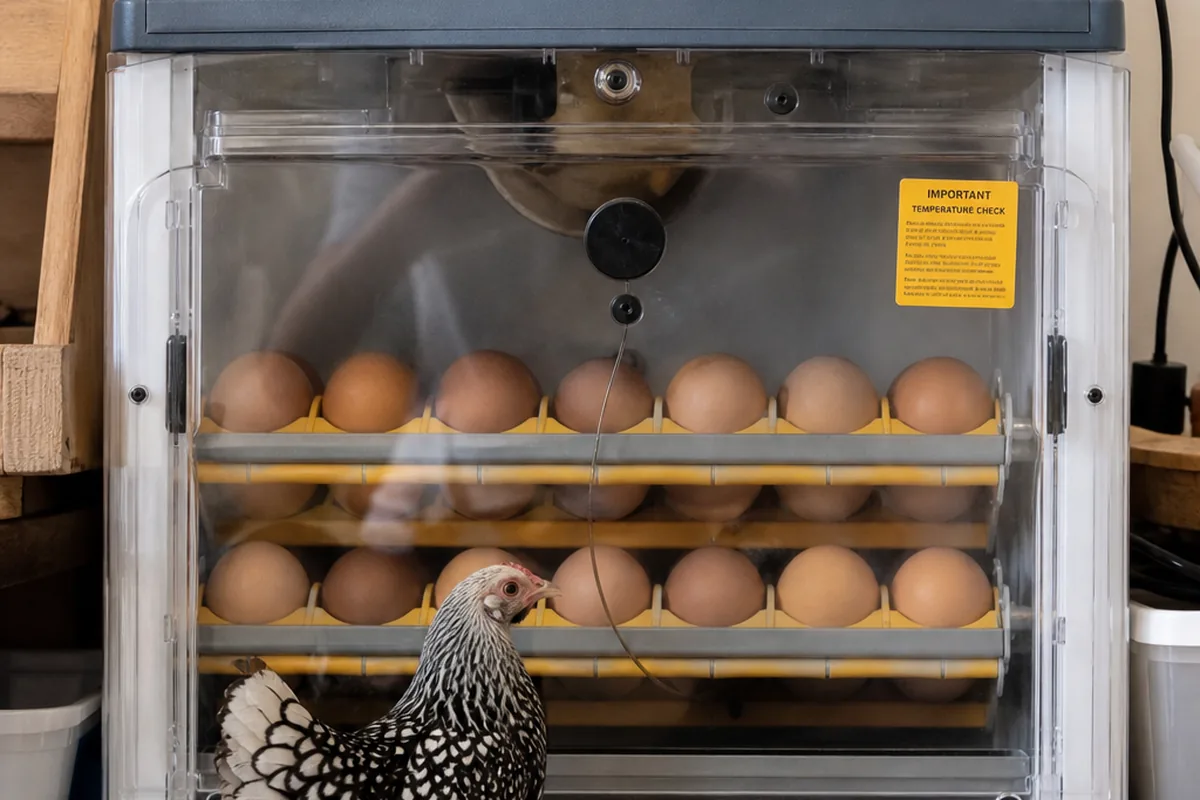
This is useful if consistent egg collection is the priority, but it means you will need an incubator or a broody hen from another breed if you want to raise chicks.
For a full ranked comparison of annual output across popular breeds, see our the top egg-laying breeds.
Varieties: Silver Spangled, Gold Spangled, and Beyond
The American Poultry Association recognizes six Hamburg varieties, each with distinct plumage patterns. All varieties share the same core characteristics: rose comb, white earlobes, slate-blue legs, and small compact body.
Only the coloring and patterning differ.
| Variety | Base Color | Pattern | Show Popularity |
|---|---|---|---|
| Silver Spangled | White | Black spangle at each feather tip | Most popular |
| Gold Spangled | Golden bay | Black spangle at each feather tip | Common |
| Silver Penciled | Silver-white | Fine black penciling across feathers | Less common |
| Gold Penciled | Golden buff | Fine black penciling across feathers | Less common |
| Black | Black with green sheen | Solid | Uncommon |
| White | Pure white | Solid | Uncommon |
The Silver Spangled Hamburg is the variety most keepers picture when they hear the breed name. White base feathers tipped with a crisp black spangle give the bird a polka-dot appearance that is genuinely striking in a backyard or show pen.
It is by far the most widely available variety at hatcheries.
All six varieties perform identically in egg production and temperament. Variety selection is purely a visual preference.
If you want show quality, buy from a reputable breeder rather than a hatchery, as hatchery birds often sacrifice plumage precision for fertility and production.
Temperament: Active, Independent, and Not a Lap Bird
Hamburgs are not difficult birds, but they require a specific management mindset. They are active, alert, and independent.
They do not seek human interaction and will not become handleable pets through affection alone.
What you get with a Hamburg is a bird that focuses almost entirely on foraging, ranging, and flock social dynamics. They are curious and quick-moving, constantly scanning for food and predators.
That alertness makes them good at self-preservation but poor at tolerating confinement or handling.
Hamburgs rank high in the pecking order relative to their size. They are assertive foragers and will compete confidently with larger breeds for feed access.
They are not aggressive toward humans but will not tolerate excessive handling and will struggle, peck, and escape when restrained.
If you want chickens that will follow you around the yard and enjoy being held, Hamburgs will disappoint you. If you want birds that range efficiently, stay productive with minimal management input, and take excellent care of themselves in a well-secured space, Hamburgs are a strong match.
For a beginner-focused temperament comparison across popular breeds, see across common backyard breeds. The Hamburg is specifically noted there for its management demands.
Pros
- 200-255 white eggs per year from a true heritage breed
- One of the earliest-maturing heritage layers at 4.5-5 months
- Rose comb provides genuine cold hardiness without frostbite risk
- Outstanding free-range forager, significantly reduces feed costs
- Disease-resistant and hardy across most climates
- Exceptional show bird in Silver Spangled and Gold Spangled varieties
- Small body requires less feed than dual-purpose breeds
Cons
- Cannot be contained by standard 6-foot fencing without a cover or wing clipping
- Not handleable or affectionate, unsuitable as a backyard pet breed
- Poor confinement tolerance causes stress and reduced production in small runs
- Small egg size limits household utility compared to larger-bodied layers
- Very low broodiness means incubators or surrogate hens are required for breeding
- Not recommended for beginners who expect docile or interaction-friendly birds
Free-Range Requirements: Space and Fencing Realities
Hamburgs are exceptional free-range birds. Their small body, high activity level, and sharp foraging instincts make them some of the most efficient pastured chickens available.
They cover ground quickly, find protein efficiently, and reduce your feed costs measurably during warm months when forage is abundant.
The trade-off is containment. Standard chicken management assumes birds stay inside 4-6 foot fencing.
Hamburg chickens do not. Their flight capability puts them on top of fences, over fences, and into neighboring yards without hesitation.
- Covered run: The most reliable solution. Hardware cloth or avian netting stretched over the run eliminates the escape vector entirely and adds predator protection from above.
- Wing clipping: Clip the primary flight feathers on one wing only. This throws off balance enough to prevent sustained flight. Check and reclip after every molt, as feathers regrow fully.
- Electric poultry netting: Portable electrified mesh fencing 42-48 inches tall deters escape through learned aversion. Effective but requires a working energizer and regular grass management under the fence line.
- Tall perimeter fencing: 8-foot solid fencing will contain most individuals, but exceptional fliers in the flock may still clear it. Not the most cost-effective solution for most setups.
Confinement in a small run produces a stressed, under-stimulated Hamburg. They need space to exhibit natural foraging behavior.
A minimum of 15-20 square feet per bird in the run is the starting point for fully confined Hamburgs. Free-range access during the day with a secure covered overnight run is the management system these birds are built for.
The class of Polish chickens presents related containment challenges, though for different reasons. Both breeds require more thoughtful housing than larger dual-purpose birds.
Coop Setup: Minimum Space and Hardware Requirements
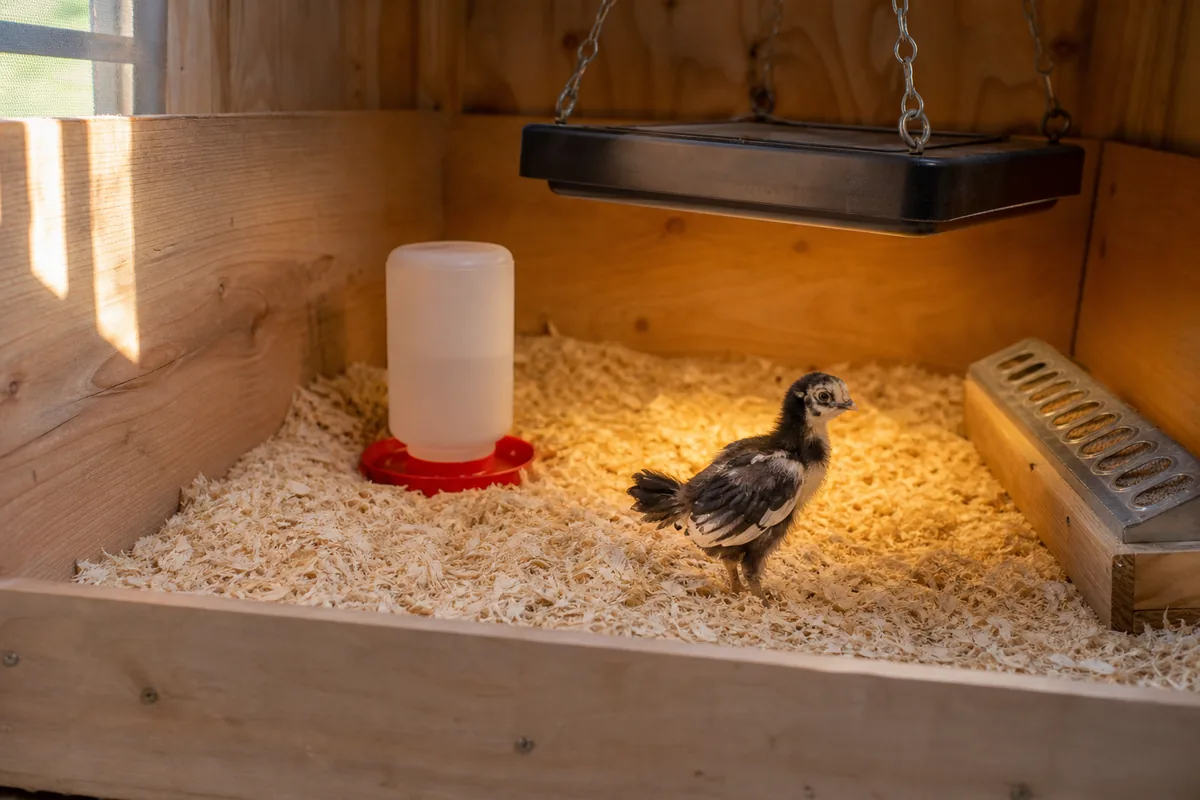
Hamburgs are small birds and require less coop space per head than dual-purpose breeds. That smaller footprint is an advantage, but the quality of that space matters more than it does with calmer, heavier birds.
A Hamburg that cannot exhibit natural behavior in its run will show it quickly through pacing, feather pulling, and restlessness. The coop itself must support free movement, appropriate roost height, and easy exit to the run during daylight hours.
| Requirement | Hamburg Minimum | Notes |
|---|---|---|
| Indoor floor space | 3 sqft per bird | Increase to 4 sqft if run access is limited |
| Run space (covered) | 15-20 sqft per bird | More than standard breeds due to activity level |
| Roost bar length | 8 inches per bird | Flat boards preferred over round dowels |
| Roost height | 24-48 inches | Hamburgs prefer higher roosts; provide a ladder or step |
| Nest boxes | 1 per 3-4 hens | 10x10 inch minimum; Hamburgs are small and quick to lay and leave |
| Ventilation | High roofline vents | Drafts at roost level cause respiratory stress |
| Pop door | Opens at first light | Hamburgs are early risers and pace if locked in past dawn |
- Hardware cloth: Use ½-inch hardware cloth on all openings. Standard chicken wire gaps allow weasels, mink, and snakes to enter.
- Covered run netting: Avian netting or hardware cloth across the top eliminates the primary Hamburg escape route and blocks aerial predators.
- Litter depth: 4-6 inches of pine shavings. Hamburgs scratch actively and will expose bare floor quickly in shallow litter.
- Waterer placement: Inside the coop in winter to prevent overnight dehydration in freezing climates.
Our coop setup guide covers the ventilation, roost, and hardware specifications that apply to active breeds like Hamburgs in more detail than the table above.
Cold Hardiness: The Rose Comb Advantage
Hamburgs carry a rose comb, and that single trait is one of their most practical management advantages in cold climates. Rose combs lie flat against the skull with no upright points to freeze.
Breeds with single combs, like Leghorns, require petroleum jelly applications and careful monitoring below 10°F to prevent frostbite. Hamburg keepers in most cold climates face no comb management requirements at all.
The rose comb also passes easily to offspring in crossbreeding projects, which is one reason Hamburgs appear frequently in cold-climate heritage flock genetics.
The compact body that makes Hamburgs light and agile also means they carry less insulating body mass than a 7-pound dual-purpose bird. In sustained temperatures below 10°F, provide a draft-free coop with adequate dry bedding.
Supplemental heat is rarely necessary, but wind infiltration through unsealed gaps is more impactful on a 4-pound bird than it is on an 8-pound one.
Humidity management matters as much as temperature. A damp coop with poor ventilation at the roofline creates respiratory problems faster than cold alone.
High vents open in all seasons, with draft protection at roost height, is the correct configuration.
Health: What to Watch and When
Hamburgs are a hardy, disease-resistant breed with centuries of selection for natural survival. They are not prone to the genetic health problems that appear in heavily modified production breeds, and their active foraging lifestyle keeps them physically fit.
Most health problems you will encounter in a Hamburg flock trace back to management: inadequate space, improper nutrition, poor biosecurity with new birds, or parasite loads that go undetected because the birds are difficult to catch and inspect.
The primary health challenge with Hamburgs is simply handling them for inspection. Because they resist restraint, keepers often miss early signs of mites, lice, or foot problems that would be caught immediately in calmer breeds.
Build a regular inspection protocol that works with the bird's temperament.
- External parasites: Check under the wings and around the vent weekly. Catch birds at night on the roost when they are drowsy and more manageable. Treat coop structure and birds simultaneously with permethrin if mites are found.
- Respiratory illness: Rattling breath, nasal discharge, or sudden production drop warrant immediate quarantine. Identify the pathogen before treating. Mycoplasma and infectious bronchitis spread rapidly in flocks.
- Coccidiosis in chicks: Bloody or watery droppings in birds 3-6 weeks old. Use medicated starter feed or amprolium treatment. Adult Hamburgs develop natural immunity.
- Egg binding: Uncommon in Hamburg hens due to small egg size, but possible in first-season pullets. A hen sitting motionless in the nest box for over an hour with fluffed feathers needs a 15-minute warm soak and veterinary follow-up if the egg does not pass.
- Marek's disease: Vaccinate at hatch or purchase pre-vaccinated chicks from an NPIP-certified hatchery. Marek's spreads through feather dander and persists in soil for years.
Quarantine all new birds for 30 days before introducing them to your established Hamburg flock. Most biosecurity failures in small backyard flocks trace to skipping or shortening this window.
Is the Hamburg Chicken Right for Your Flock?
The Hamburg is not a beginner breed. It is not a breed you choose because you want friendly, handleable birds that will follow you around the garden.
It is a breed you choose because you understand exactly what it offers and have the setup to support it.
The Hamburg excels in three specific situations. First, a free-range operation with a covered run or reliable containment.
Second, a keeper who wants maximum egg production from a genuine heritage breed with centuries of documented history. Third, a show flock where the Silver Spangled or Gold Spangled varieties compete at the highest exhibition level.
Outside those situations, breeds with better temperament for mixed management offer more practical value at similar production levels. A a similar production style lays more eggs per year and is easier to manage in standard runs.
An Australorp or Plymouth Rock produces nearly as many eggs and is substantially more beginner-accessible.
For a heritage laying breed with a rose comb, cold hardiness, and a calmer temperament, our Wyandotte guide is the closest alternative worth considering.
- Best fit for: Experienced keepers with covered runs, free-range acreage, or show interests
- Not suited for: First-time keepers, small confined runs, families wanting interactive birds
- Pair with: Other active heritage breeds of similar size, such as Leghorns or Anconas, rather than heavy dual-purpose breeds that will dominate feed access
- Avoid pairing with: Docile breeds like Silkies or Cochins, which cannot compete effectively with Hamburg foraging aggression
Sources and references
- Hamburg chicken breed history, APA recognized varieties, and standard of perfection specificationsThe Livestock Conservancy
- Heritage breed egg production benchmarks, lay onset ages, and annual output comparisonsPenn State Extension: Poultry Science
- Poultry flight capability, fencing requirements, and confinement management for active breedsof Florida IFAS Extension: Backyard Poultry