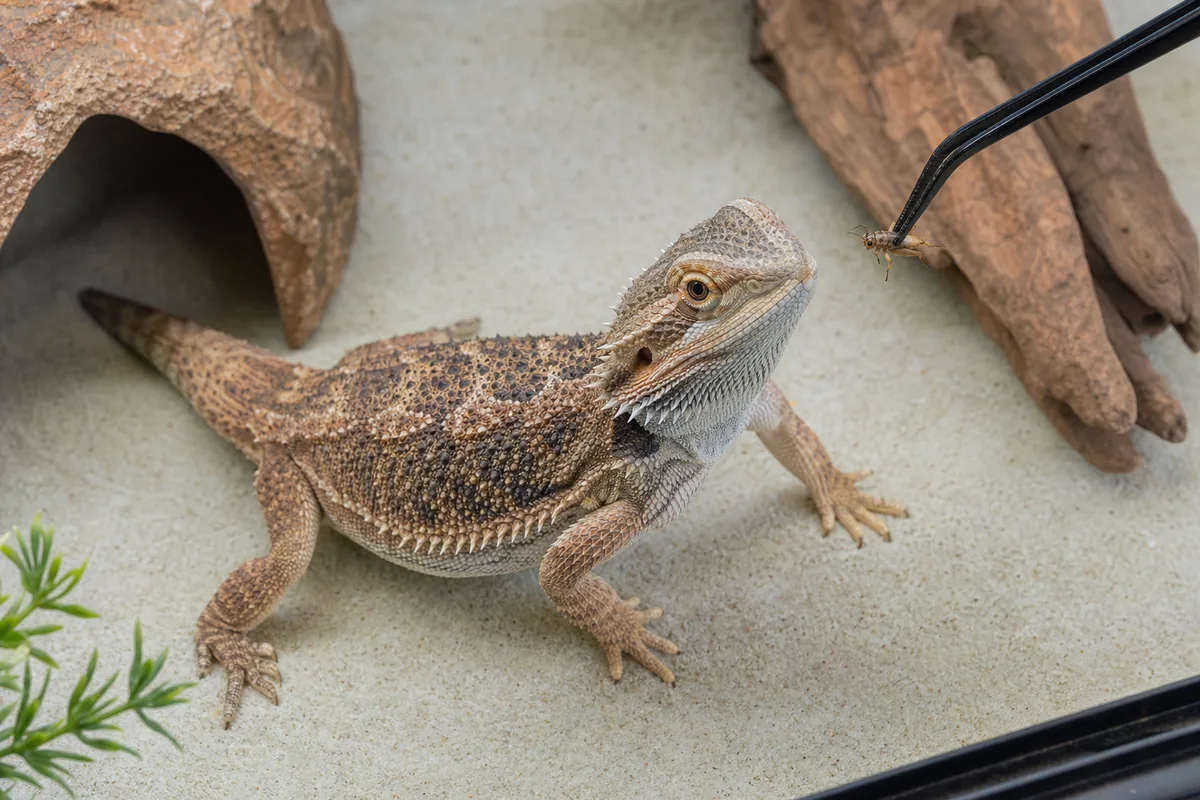
Best Beginner Reptiles: What Actually Makes a Species Beginner-Friendly
The best beginner reptiles are species that eat reliably, tolerate small keeper mistakes, and do not require complex daily care.
Most "beginner reptile" lists are written by people selling reptiles.
A truly beginner-friendly species tolerates keeper errors, eats reliably, does not require a $500 lighting rig, and stays healthy in a correctly set up enclosure without daily intervention.
The full reptile care overview covers what correct setups look like for each category. For heating requirements across species, see the heat lamp guide for reptiles.
We ranked these species on five criteria: setup cost, diet simplicity, handling tolerance, UVB requirement, and tolerance of minor husbandry errors. Higher scores in those areas = better beginner species.
| Species | Setup Cost | UVB Required | Handling | Feeding Ease | Error Tolerance |
|---|---|---|---|---|---|
| Leopard Gecko | $100-$370 | Optional | Excellent | Easy (insects every 2-3 days) | High |
| Corn Snake | $100-$400 | No | Good | Very easy (mice weekly) | High |
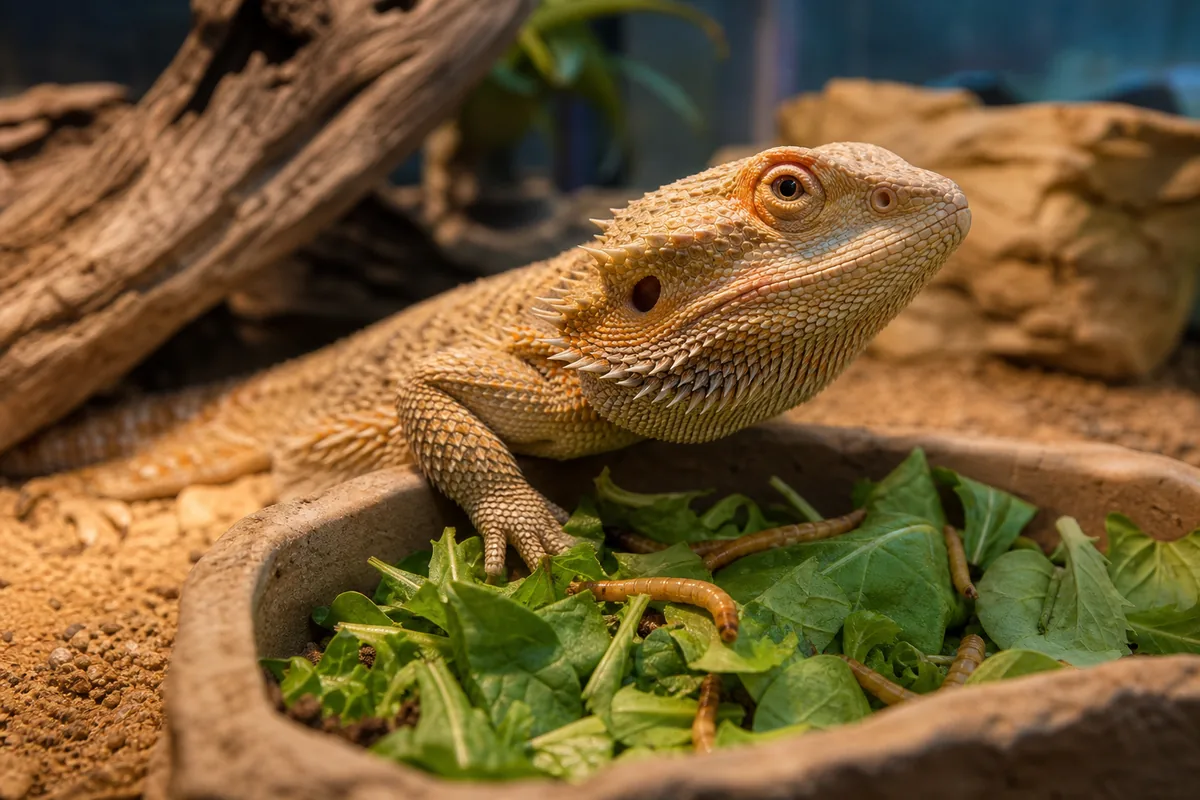
| Bearded Dragon | $230-$830 | Yes (12-14% T5 HO) | Excellent | Moderate (daily insects + greens) | Moderate |
| Ball Python | $195-$830 | No | Excellent | Moderate (feeding strikes common) | Moderate |
| Blue-Tongue Skink | $200-$600 | Yes (6-10%) | Good | Easy (omnivore, varied diet) | Moderate |
| Crested Gecko | $100-$350 | Optional | Moderate | Very easy (CGD powder + insects) | High |
Best overall: Leopard Gecko
Leopard Gecko is the better fit when you want the stronger everyday experience described in this comparison.
Best value: Corn Snake
Corn Snake makes more sense when cost, setup simplicity, or beginner forgiveness matter more than the premium pick.
Leopard Gecko: Best Beginner Reptile Overall
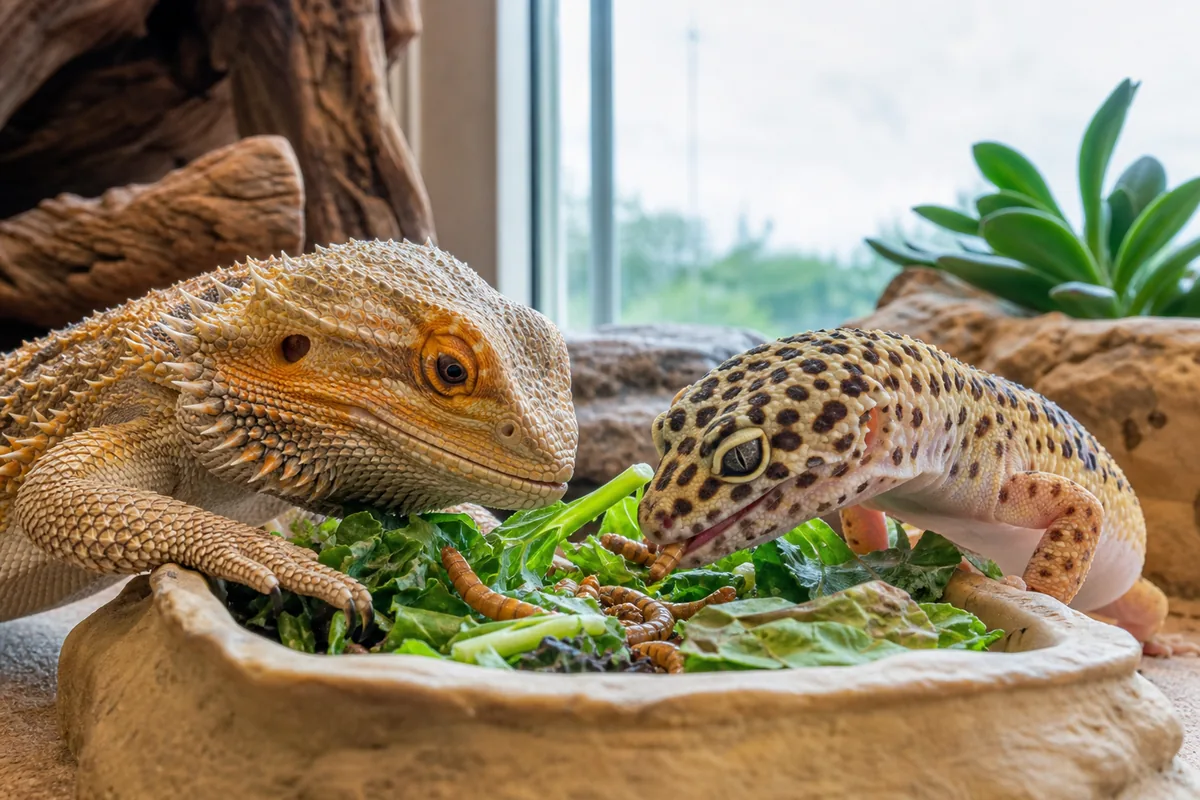
A leopard gecko care setup tops this list because it requires the fewest things to go right simultaneously. They need a 20-gallon long tank, an under-tank heater on a thermostat set to 88-92°F, three hides, and live crickets or dubia roaches every 2-3 days.
That is the entire care requirement for a healthy adult.
They are crepuscular and spend daylight hours hiding, which disappoints some keepers expecting constant activity. However, their 10-20 year lifespan and low daily time commitment make them ideal for working adults, college students, and children with parental involvement.
- Setup cost: $100-$370 complete
- UVB: Not required (low-output bulb optional)
- Feeding: Crickets or dubia roaches every 2-3 days for adults
- Handling: Tolerates regular handling, tames within 2-4 weeks
- Common mistakes: Loose substrate causing impaction, no thermostat on UTH
Pros
- Cheapest complete setup of any lizard on this list
- No UVB lamp required
- Feeds every 2-3 days, not daily
- Long lifespan of 10-20 years
- Small size works in apartments
Cons
- Crepuscular, rarely visible during daytime
- Does not seek interaction the way bearded dragons do
- Three hides required or the gecko will stress
Corn Snake: Best Beginner Snake
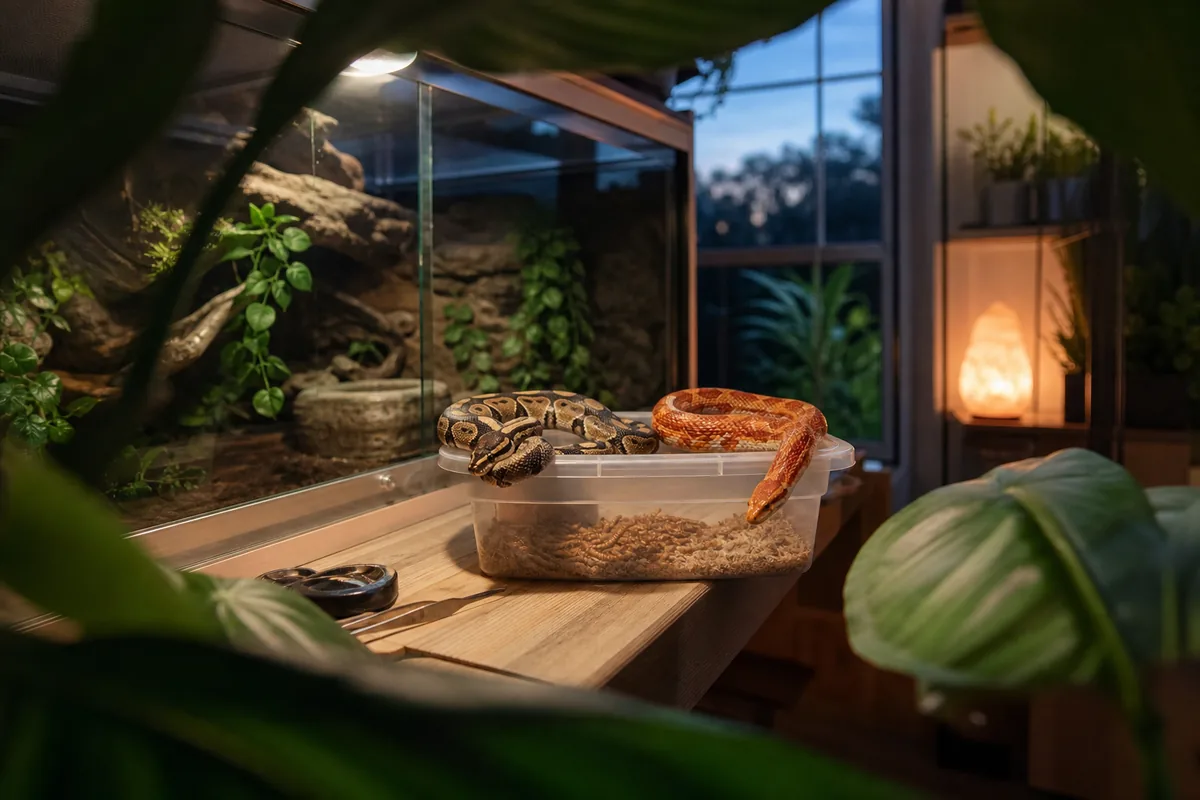
For new keepers who want a snake, corn snake care is the most reliably feeding option in the hobby. They accept frozen-thawed mice from day one of captivity in most cases, grow to a manageable 3-5 feet, and tame from defensive juveniles to calm adults within a few months of regular handling.
The primary challenge is containment. Corn snakes will probe every millimeter of an enclosure for gaps.
A tank with a loose lid becomes an open invitation for a 4-foot snake to check your home. Secure every vent, seam, and door with positive-locking latches.
- Setup cost: $100-$400 complete
- UVB: Not required
- Feeding: Frozen-thawed adult mice every 7-10 days
- Handling: Flighty as juveniles, calm as adults with regular handling
- Common mistakes: Escape due to unlocked enclosure, overfeeding causing obesity
Pros
- Most consistent feeder of any beginner snake
- No UVB required
- Standard glass tanks work at 40-60% humidity
- Affordable morphs from $30-$100
- Tames well with regular handling
Cons
- Escape artist, every gap must be sealed
- Juvenile corn snakes can be defensive biters
- Less morph variety than ball pythons
- Not as calm under handling as ball pythons
Bearded Dragon: Best Beginner Reptile for Daytime Interaction
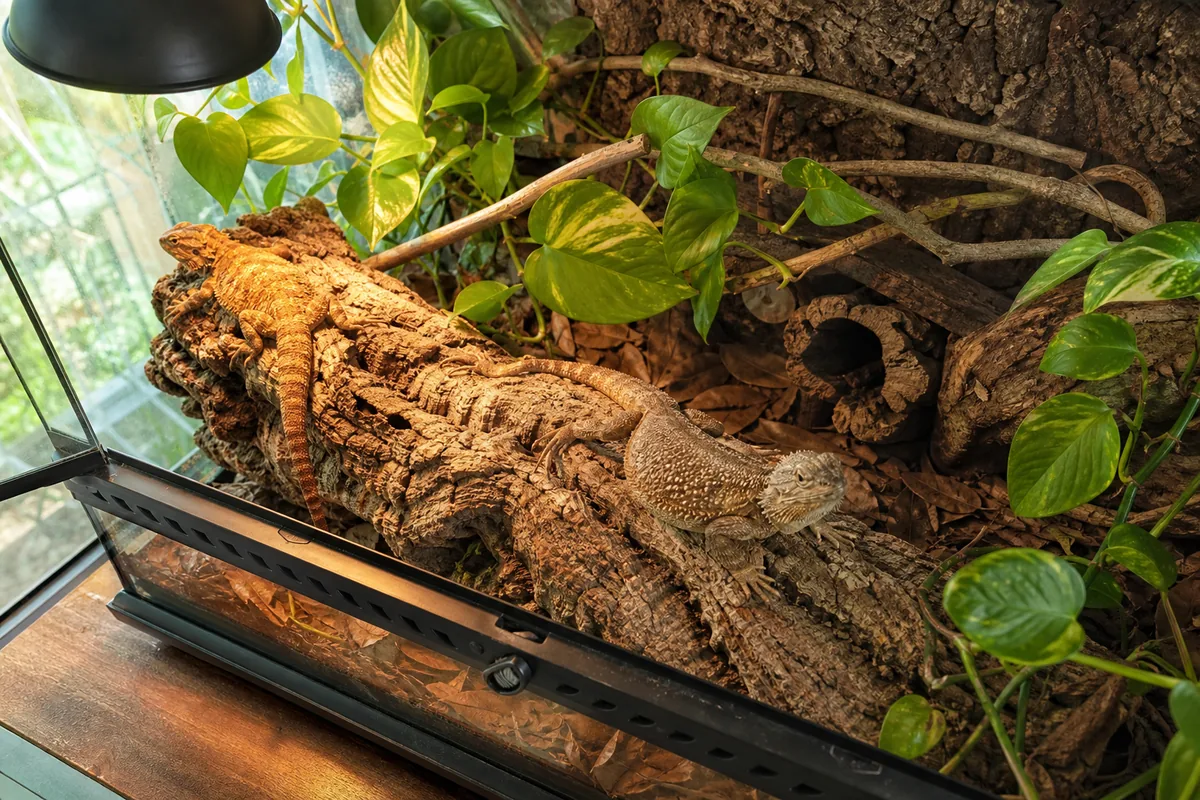
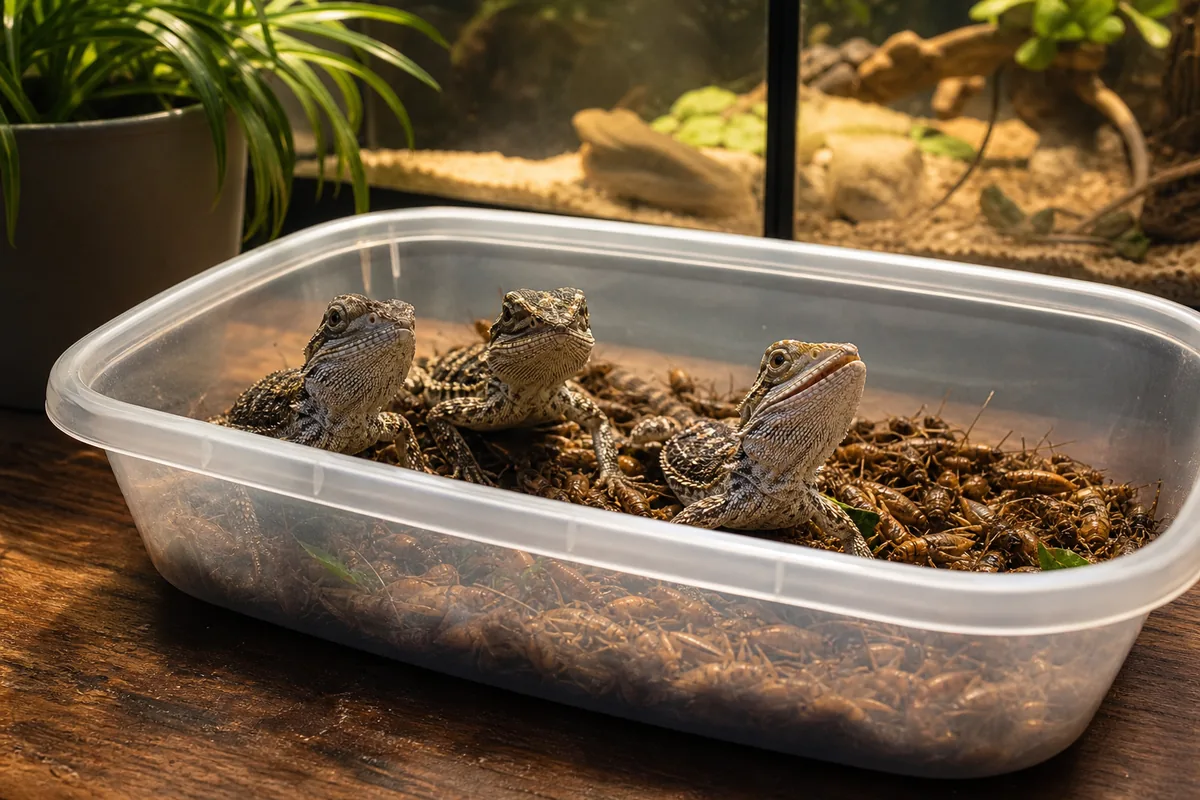
Keepers prioritizing daytime interaction usually end up with bearded dragon care. A well-socialized beardie waves its arm in acknowledgment, flattens on your chest for warmth, and comes to the front of the enclosure when you approach.
For keepers who want a reptile that feels engaged, nothing beats a beardie.
The trade-off is cost and daily care commitment.
The correct lighting setup costs $60-$175 for the UVB fixture alone, and daily vegetable prep takes 5-10 minutes every morning.
Our UVB bulb guide for bearded dragons shows where most new keepers overspend or buy the wrong fixture.
This is not a low-maintenance pet.
Ball Python: Best Beginner Snake for Handling
For people who care more about handling calmness than feeding consistency, ball python care is the better fit. Their defensive curl behavior means they almost never bite, and a well-acclimated adult can be handled for 30-60 minutes without stress.
The morph variety is extraordinary, with thousands of genetic combinations producing animals in every color from pure white to deep purple.
The feeding strike issue is real and worth preparing for mentally. A ball python that stops eating for 6-8 weeks is almost certainly fine, but it takes discipline not to panic and start changing the enclosure setup in ways that cause more problems.
Crested Gecko: Honorable Mention for Small-Space Keepers
For small-space keepers, crested gecko care deserves mention because the diet is uniquely simple. Pangea or Repashy crested gecko diet (CGD) powder mixed with water provides complete nutrition.
Live insects supplement the diet but are not required for survival.
Crested geckos are arboreal and need a tall enclosure rather than a wide footprint. They do not tolerate temperatures above 80°F, which makes them unsuitable for warm climates without air conditioning.
Their small size and drop-tail defense mechanism (the tail does not regrow) means handling requires extra care.
Keepers interested in other beginner-friendly options should also consider the blue-tongue skink for a chunky, handleable lizard, the red-eared slider for an aquatic option, or the chameleon if display is the priority, though chameleons are advanced keepers only.
The king snake and green anole round out the beginner-accessible species worth knowing about.
- Unique advantage: CGD powder diet, no live prey required for basic care
- Temperature sensitivity: Cannot tolerate above 80°F sustained
- Enclosure type: Tall arboreal enclosure, minimum 18x18x24 inches
- Tail drop: Permanent autotomy, tail does not regrow
Sources and references
- Reptile Welfare Assessment in Private CollectionsVeterinary Record, 2019
- Common Health Problems in Beginner Reptile Speciesof Exotic Pet Medicine, 2020
- Reptile Husbandry Standards for Commonly Kept SpeciesAssociation of Reptilian and Amphibian Veterinarians, 2021