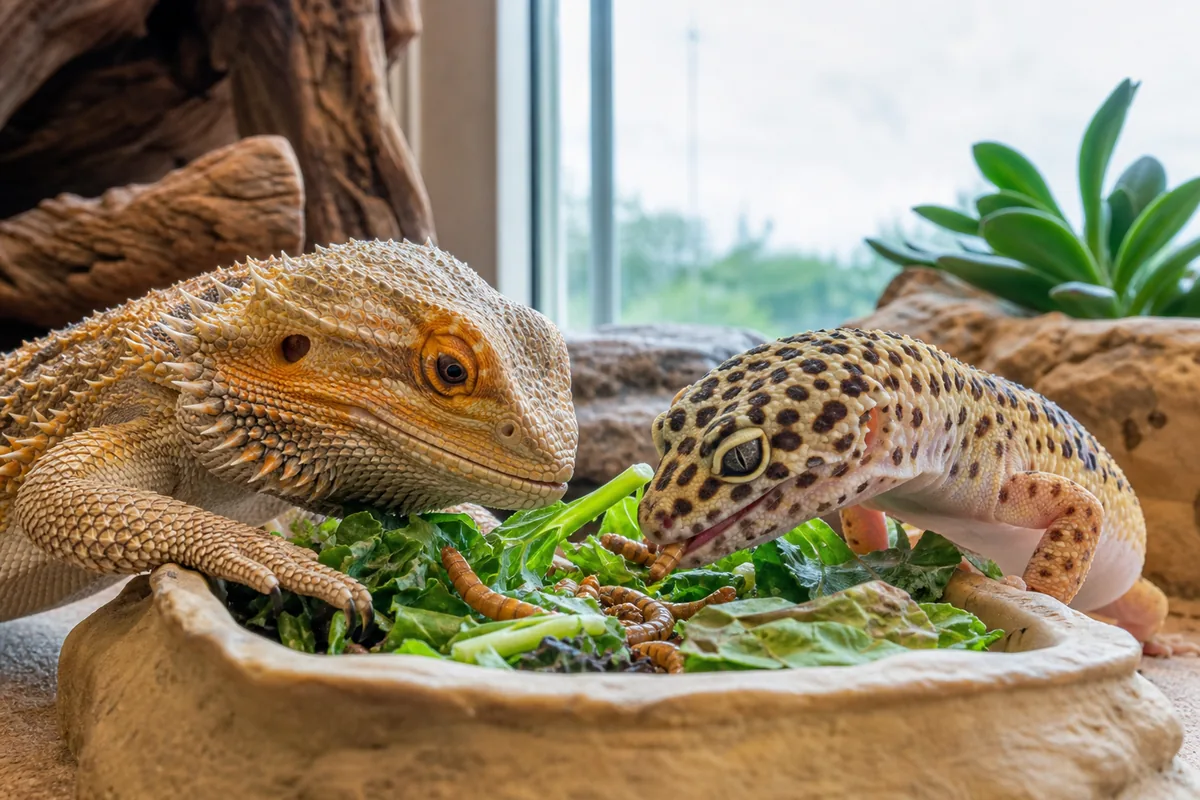
Bearded Dragon vs Leopard Gecko: Two Completely Different Keeping Experiences
The bearded dragon vs leopard gecko question depends almost entirely on your lifestyle and budget. These two species are often compared because both tolerate handling and eat live insects, but the actual keeping experience differs at every level.
Check the full reptile care guide for both species before committing.
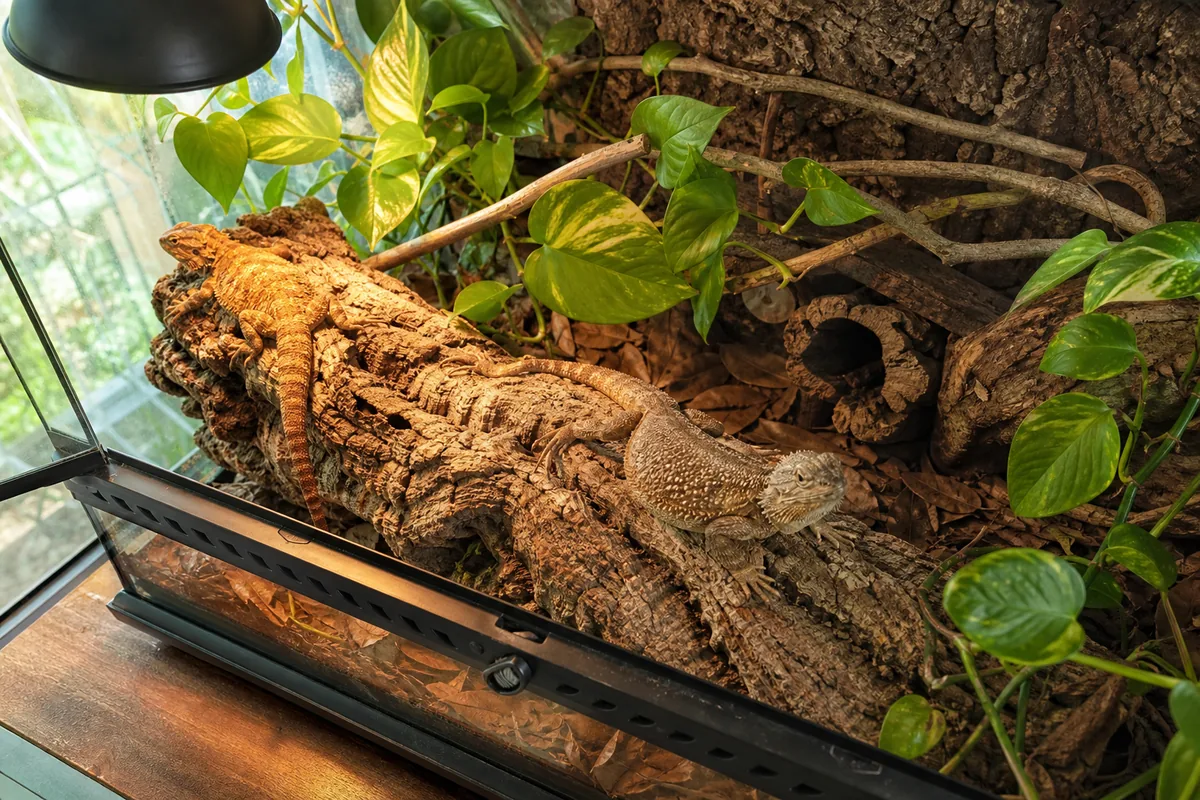
A bearded dragon care setup is built around a diurnal, highly interactive lizard that requires a $300-$800 setup and daily attention. A leopard gecko care setup suits a crepuscular, low-maintenance gecko that thrives in a $100-$300 setup and tolerates a keeper who travels occasionally.
| Factor | Bearded Dragon | Leopard Gecko |
|---|---|---|
| Adult size | 18-24 inches, 400-600g | 7-10 inches, 45-80g |
| Enclosure size | 120 gal (4x2x2 ft) | 20 gal long (30x12x12 in) |
| UVB required | Yes, 12-14% T5 HO | Optional (2-6% T5 HO) |
| Basking temp | 105-115°F surface | 88-92°F floor (belly heat) |
| Heating method | Overhead basking lamp | Under-tank heater (UTH) |
| Activity period | Diurnal (daytime) | Crepuscular (dawn/dusk) |
| Lifespan | 10-15 years | 10-20 years |
| Setup cost | $230-$830 | $100-$370 |
| Monthly feeding cost | $20-$50 (insects + greens daily) | $10-$25 (insects 3x/week) |
| Handling tolerance | Very high (enjoys it) | High (tolerates it) |
| Space required | Large dedicated area | Fits on a desk or shelf |
Best overall: Bearded Dragon
Bearded Dragon is the better fit when you want the stronger everyday experience described in this comparison.
Best value: Leopard Gecko
Leopard Gecko makes more sense when cost, setup simplicity, or beginner forgiveness matter more than the premium pick.
Bearded Dragon: The Interactive Choice for Committed Keepers
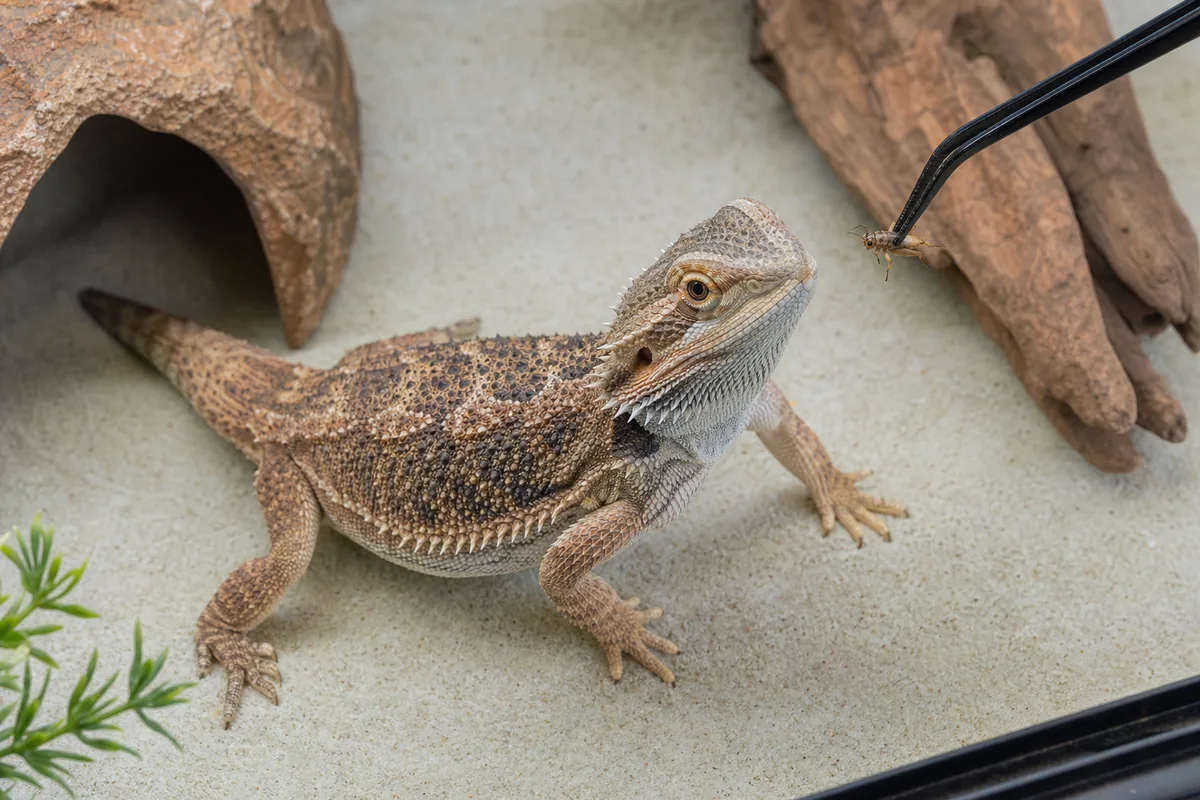
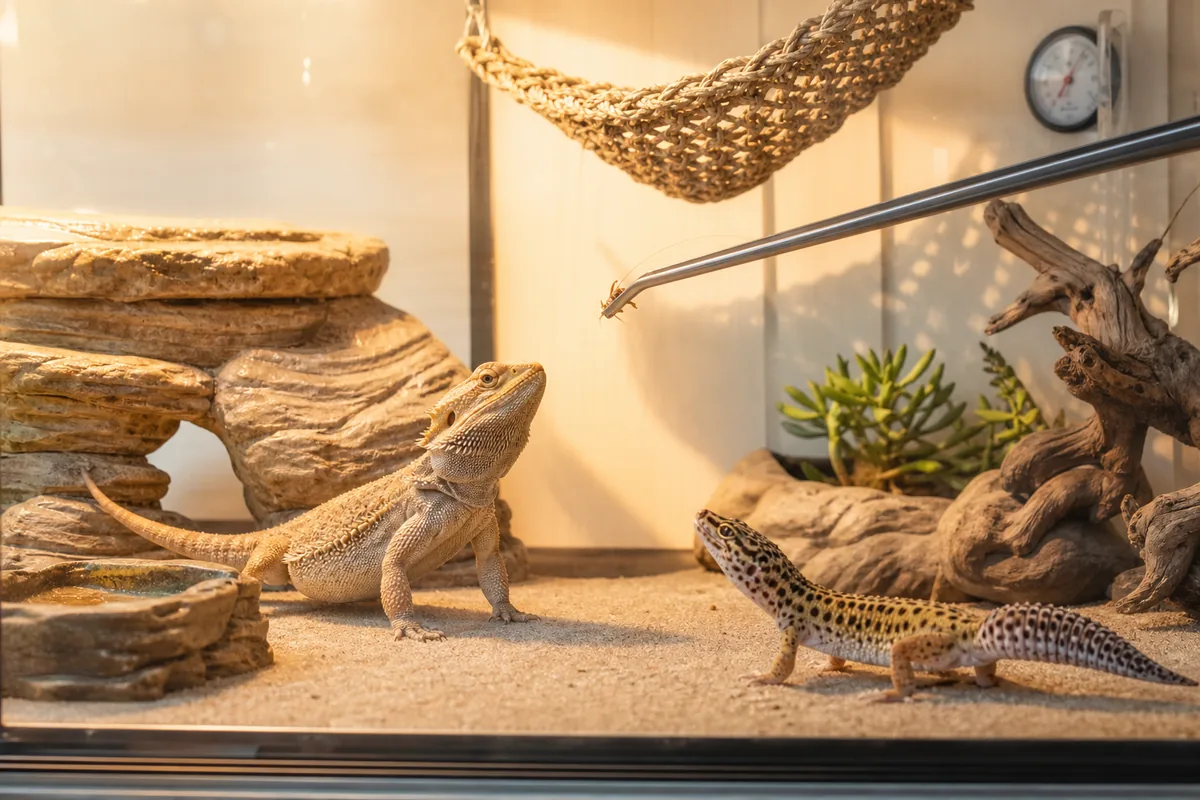
Bearded dragons are one of the few reptile species that truly appear to seek human interaction. A well-socialized beardie will approach the front of the enclosure when it hears you, flatten on your chest for warmth during handling, and eat salad from your hand.
The daily care commitment is real.
Bearded dragons need fresh greens and vegetables every morning, a protein feeding of dubia roaches or black soldier fly larvae 3-5 times weekly, and a spot clean of the enclosure each day.
For the full equipment list, see the complete bearded dragon tank setup guide.
- Daily feeding: Fresh mixed greens (collard, mustard, dandelion) plus live protein
- Lighting schedule: 12-14 hours UVB + basking on a timer, daily
- Interaction level: Actively seeks out keepers, tolerates extended handling
- Vet needs: Annual fecal exam, potential metabolic bone disease monitoring
Pros
- Diurnal, visible during daytime hours
- Actively engages with keeper and environment
- Eats a varied diet of insects and vegetables
- Large size makes handling satisfying
- Long lifespan of 10-15 years
Cons
- Requires $300+ lighting setup with UVB
- Daily vegetable prep takes 5-10 minutes
- Large enclosure needs significant space
- Higher monthly feeding costs
- Brumation (winter slowdown) can stress new keepers
Leopard Gecko: The Best First Reptile for Most People
Leopard geckos hold their position as the top beginner reptile recommendation because their care is truly simple when done correctly. They do not require UVB, eat only live insects (no vegetable prep), and tolerate a keeper who misses a feeding by a day or two without consequence.
For a complete breakdown of what substrate and hide setup to use, check the substrate guide for leopard geckos.
Adults eat every 2-3 days, not daily. A healthy adult can go a full week without food during a shed cycle without any health impact.
The crepuscular activity window means they are most active after sunset, which fits well with working adults.
- Feeding schedule: Every 2-3 days for adults, daily for juveniles
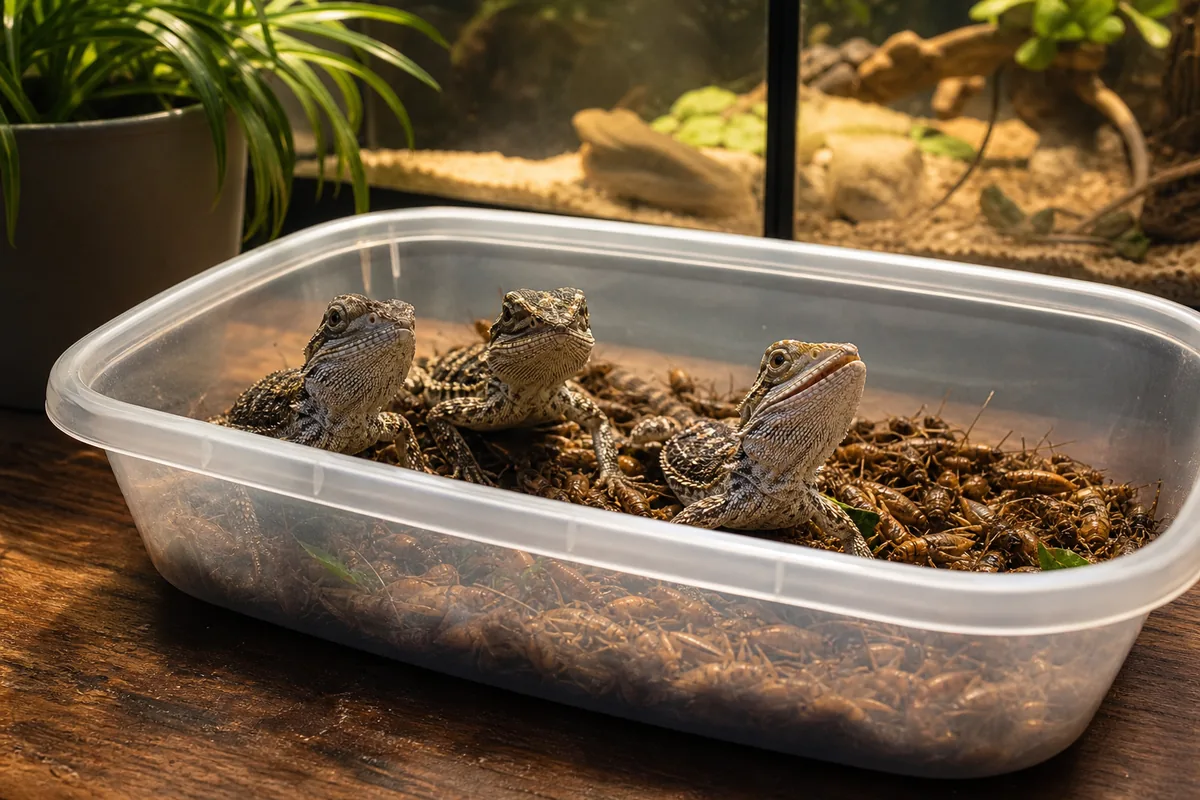
- Diet: Crickets, dubia roaches, mealworms, occasional waxworms as treats
- Interaction level: Tolerates handling but does not seek it out
- Observation window: Active at dusk and a few hours after dark
Pros
- Most affordable reptile setup at $100-$370
- No UVB lamp required for basic care
- Feeds every 2-3 days, not daily
- No vegetable prep needed
- Thrives in smaller spaces
- Very long lifespan of 10-20 years
Cons
- Crepuscular, less visible during daytime
- Smaller size means less handling satisfaction for some keepers
- Does not seek out interaction like beardies do
- Shy, spends most daylight hours hidden
Handling Comparison: Beardies Lead, Leos Follow
Bearded dragons habituate to handling faster and show more social tolerance than leopard geckos. A beardie picked up daily from an early age will typically sit calmly on your shoulder for 30-60 minutes.
Leopard geckos are handleable but more on their own terms.
Introduce handling gradually with both species. For leos, start with 5-minute sessions three times a week during their active crepuscular period.
For beardies, daily 15-30 minute sessions build trust quickly starting at 8-10 weeks of age. Keepers interested in other gecko options should see the crested gecko care guide, which sits between these two species on the handleability scale, or the tokay gecko guide, which is defensive and best for experienced keepers only.
The gargoyle gecko care guide is a better next step if you want a calmer small arboreal gecko than a tokay.
Cost of Ownership: Year One vs Long Term
The bearded dragon costs significantly more in year one due to the UVB lighting requirement and larger enclosure size.
By year three, the gap narrows because UVB bulbs are the main ongoing lighting cost for beardies.
For a detailed breakdown of what UVB bulb to buy, see the UVB bulb guide for bearded dragons.
- Beardie year-one total: $500-$1,200 including setup, animal, and food
- Leo year-one total: $200-$600 including setup, animal, and food
- Annual ongoing cost (beardie): $300-$600 (food, UVB replacement, vet)
- Annual ongoing cost (leo): $150-$300 (food, occasional vet)
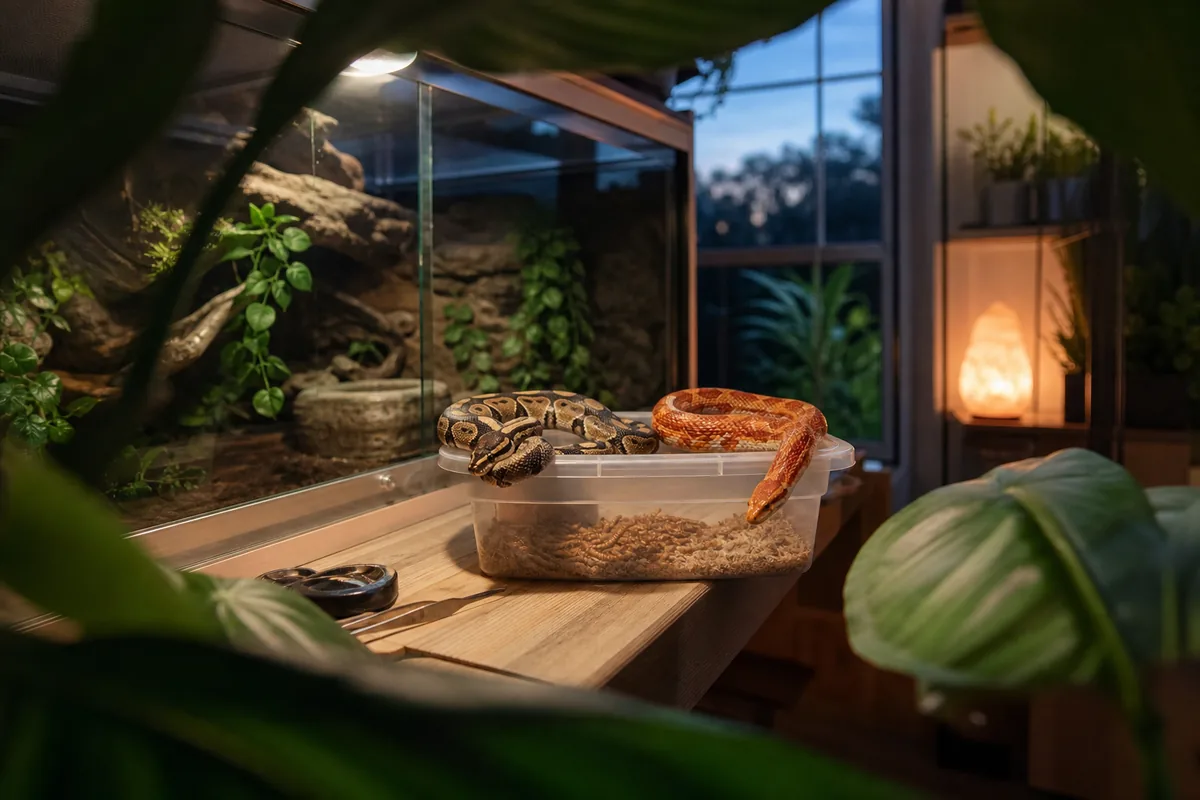
Keepers weighing these lizards against snakes should also consider the ball python care guide and the corn snake care guide. Both fall in the same setup cost range as a leopard gecko but deliver a completely different keeping experience.
Sources and references
- Comparative Husbandry Assessment of Common Pet Lizardsof Herpetological Medicine and Surgery, 2020
- Reptile Suitability as First-Time Pets: A Veterinary PerspectiveVeterinary Record, 2018
- Pogona vitticeps vs Eublepharis macularius: Keeper Survey DataReptiles Magazine Annual Survey, 2022