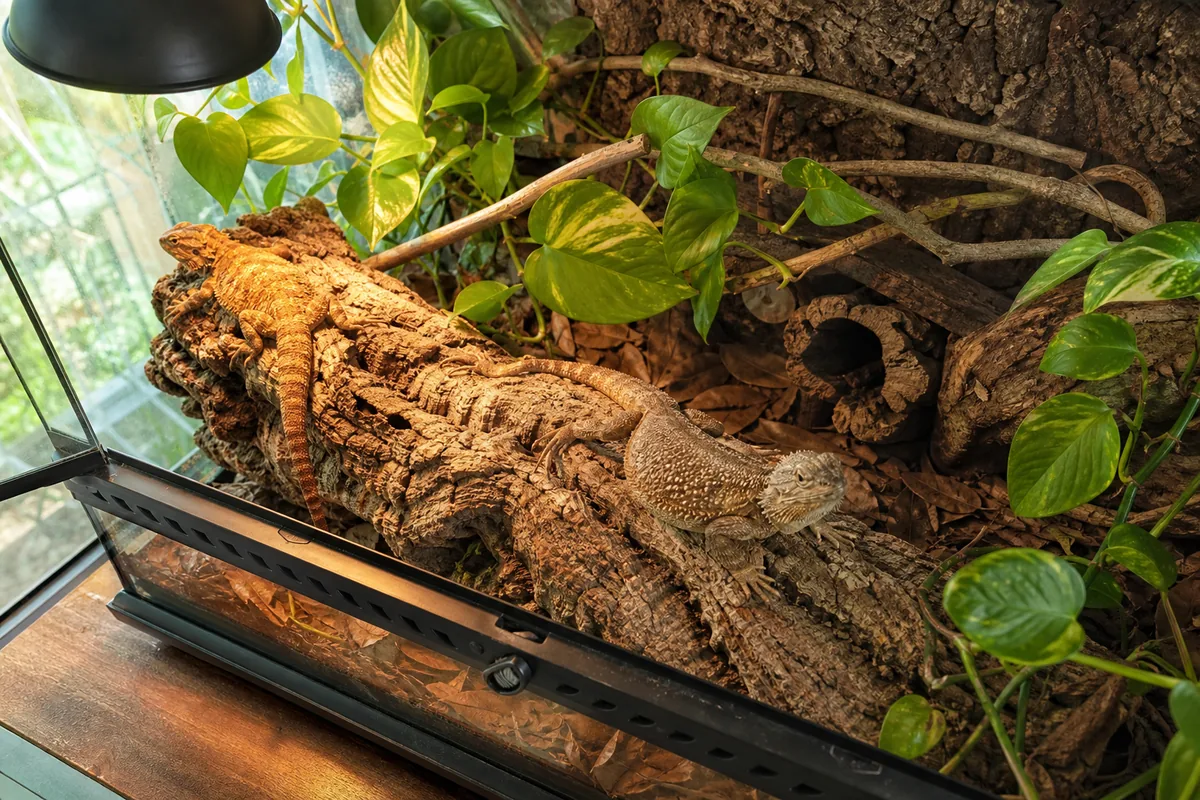
Best Heat Lamp for Reptiles: The Answer the Industry Doesn't Want You to Know
The best heat lamp for reptiles is not sold in a pet store. Hardware store halogen flood PAR38 bulbs produce a tight beam, intense radiant heat, and visible white light that stimulates natural basking behavior better than colored reptile-branded bulbs.
Before buying any specialty lamp, read how reptile thermoregulation actually works.
Reptile basking lamps are incandescent bulbs in branded packaging at 3-4x the price. The animal cannot read the label.
It responds to heat output, beam spread, and light color temperature. For a ranked look at which species actually need basking lamps, the best reptiles for beginners guide breaks it down by care level.
| Lamp | Type | Wattage | Beam | Lifespan | Price |
|---|---|---|---|---|---|
| Halogen PAR38 Flood (hardware store) | Halogen flood | 50-90W | Wide flood | 2,000+ hrs | $5-$10 |
| Zoo Med Repti Basking Spot 100W | Incandescent spot | 50-150W | Narrow spot | 500-1,000 hrs | $8-$15 |
| Arcadia Halogen Basking Lamp | Halogen spot | 35-75W | Narrow spot | 2,000 hrs | $15-$25 |
| Exo Terra Intense Basking Spot | Incandescent spot | 50-150W | Very narrow | 500-750 hrs | $8-$14 |
| Zoo Med Powersun MVB 100W | Mercury vapor (UVB+heat) | 100-160W | Wide flood | 12-18 months | $55-$80 |
| Ceramic Heat Emitter (CHE) | Infrared only, no light | 60-150W | Wide radiant | 5+ years | $10-$20 |
Halogen PAR38 Flood: Best Overall Basking Lamp for Any Reptile
A halogen PAR38 flood from a hardware store produces radiant infrared heat in a wide beam pattern that warms a naturalistic basking zone rather than a pinpoint hot spot. Halogen technology runs hotter per watt than standard incandescent, which means a 65W halogen PAR38 often produces equivalent heat to a 100W reptile incandescent spot.
Home Depot, Lowe's, and Walmart all stock PAR38 halogen floods in 45W, 65W, and 90W versions. A twin-pack costs $6-$10 and lasts 2,000+ hours compared to 500-1,000 hours for most reptile-branded bulbs.
- Output: Intense radiant heat, wide flood pattern
- Color temperature: ~2,700-3,000K (warm white, simulates sunlight better than colored bulbs)
- Lifespan: 2,000+ hours standard halogen rating
- Cost: $5-$10 per bulb at hardware stores
- Wattage options: 45W, 65W, 90W (sufficient for most species)
Pros
- Lowest cost per hour of any basking lamp
- Wide flood beam warms a zone, not a pinpoint
- 2,000+ hour lifespan vs 500-1,000 for incandescent reptile bulbs
- Available at every hardware store
- White light stimulates natural basking behavior
Cons
- No UVB output (requires separate UVB fixture)
- Wider beam makes targeted hot spots harder in small enclosures
- Not dimmable on standard light switches (use a thermostat dimmer)
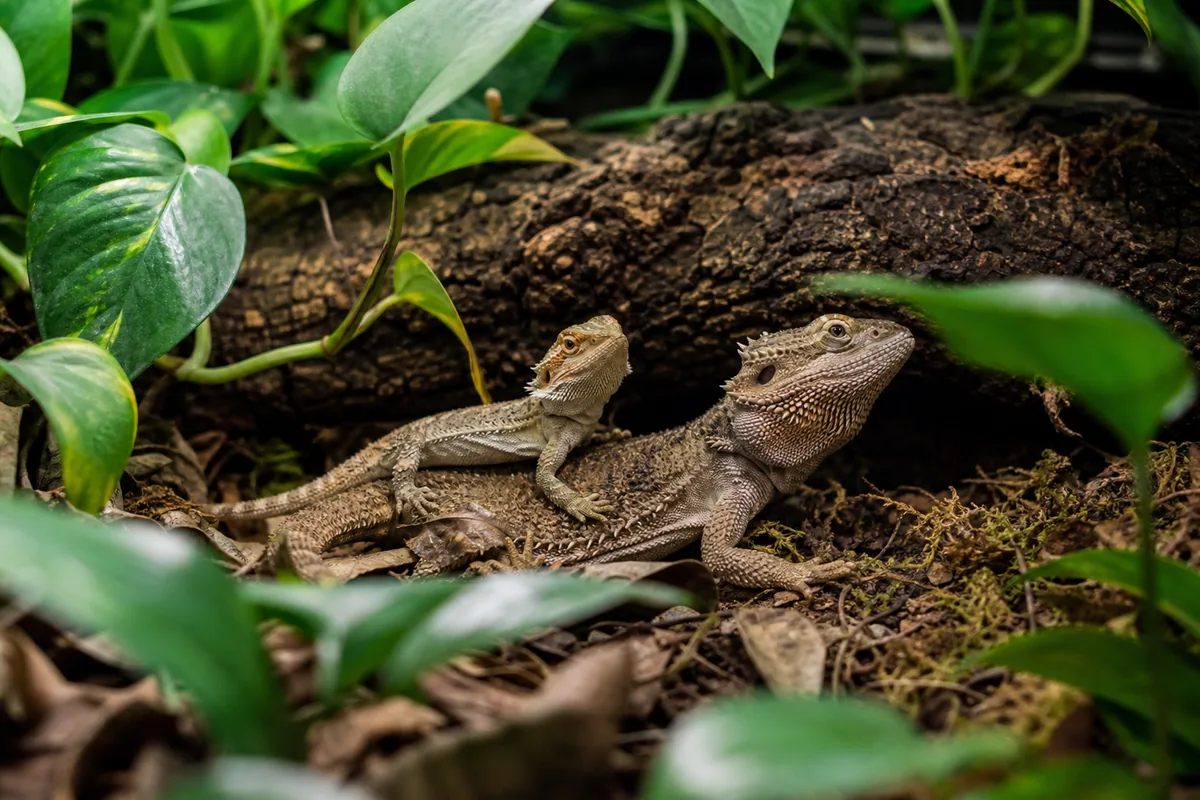
Zoo Med Repti Basking Spot: Best Budget Option From a Pet Store
If you need a basking bulb today and only have access to a pet store, the Zoo Med Repti Basking Spot 100W is the most reliable option in the standard retail range. It uses a tight spot beam that concentrates heat on a small area, which is useful for pinpoint basking spots in enclosures with fixed platform positions.
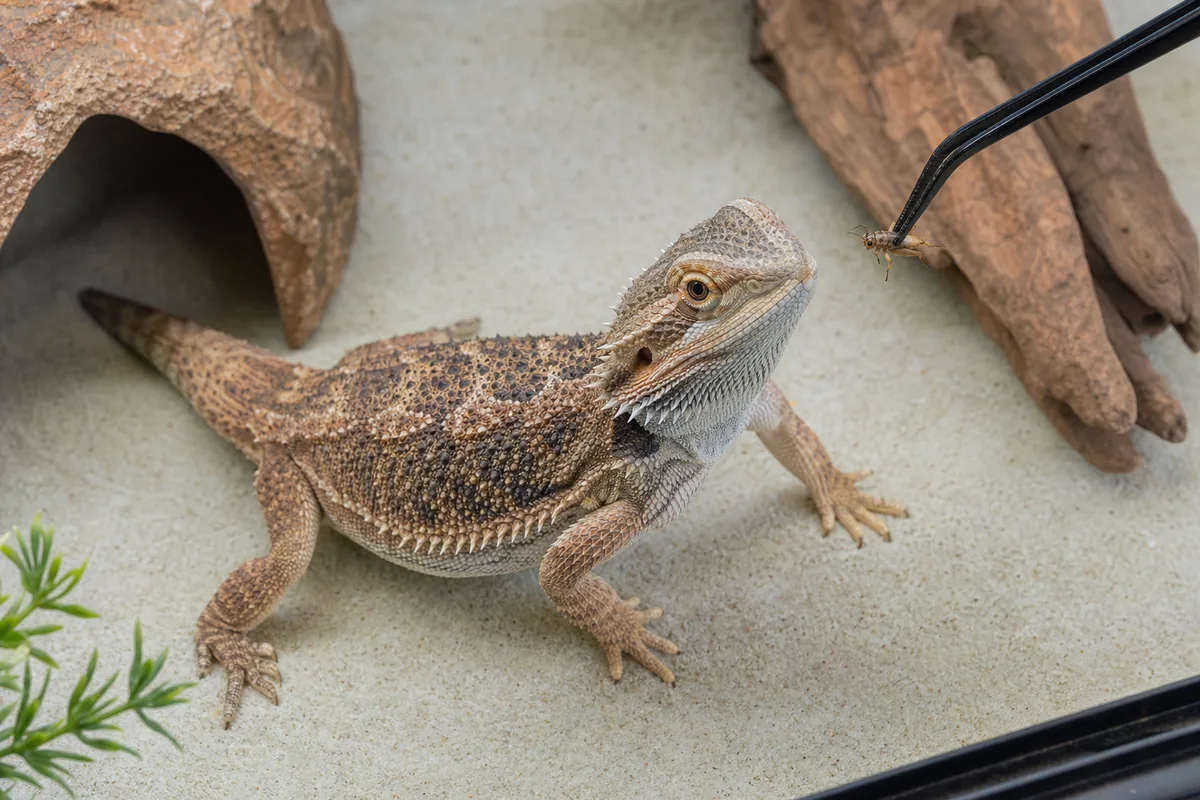
The narrow beam works well for species that need a precise 6-inch basking target, such as blue-tongue skinks and water dragons. It underperforms for bearded dragons, which benefit from a wider warm zone and require a separate UVB fixture.
Choosing the right UVB light for bearded dragons is as important as selecting the correct wattage basking lamp.
- Beam pattern: Narrow spotlight, 6-8 inch hot spot diameter
- Lifespan: 500-1,000 hours (replace every 2-4 months with daily use)
- Available wattages: 50W, 75W, 100W, 150W
- Best for: Species needing a precise tight basking spot
Pros
- Widely available at PetSmart and Petco
- Tight beam for precise basking zone targeting
- Multiple wattages available
- Inexpensive per bulb
Cons
- Short lifespan vs halogen alternatives
- Incandescent technology runs less efficiently
- Requires frequent replacement
Ceramic Heat Emitters: The Right Tool for Overnight Heating
A ceramic heat emitter (CHE) produces infrared heat only with no visible light, which makes it the correct tool for maintaining nighttime temperatures without disrupting the light cycle. It is not a basking lamp replacement and should not be used as the primary daytime heat source.
CHEs from Zoo Med and Exo Terra last 5+ years with normal use because they have no filament to burn out. They require a ceramic fixture rated for high temperatures.
Never use a standard plastic lamp socket with a CHE.
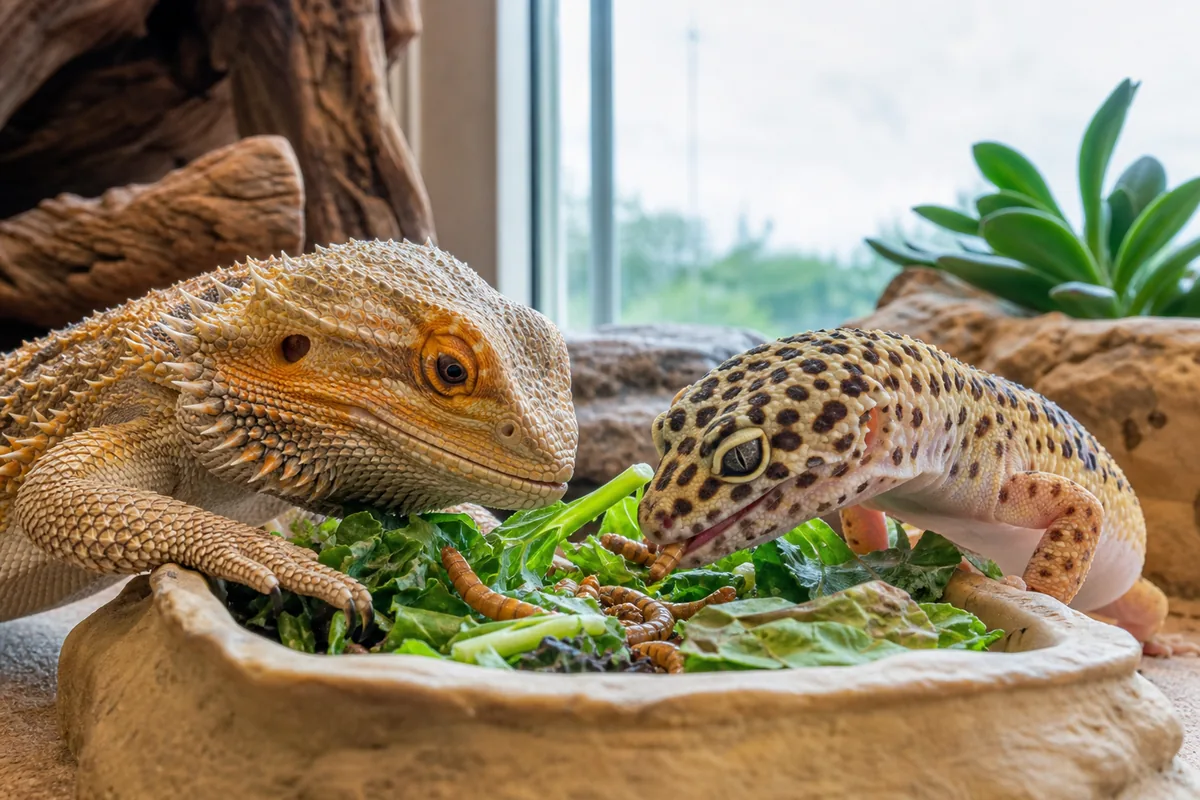
The leopard gecko is one example of a species that uses no overhead basking lamp at all, relying entirely on an under-tank heater for primary warmth and a CHE if overnight supplemental heat is needed.
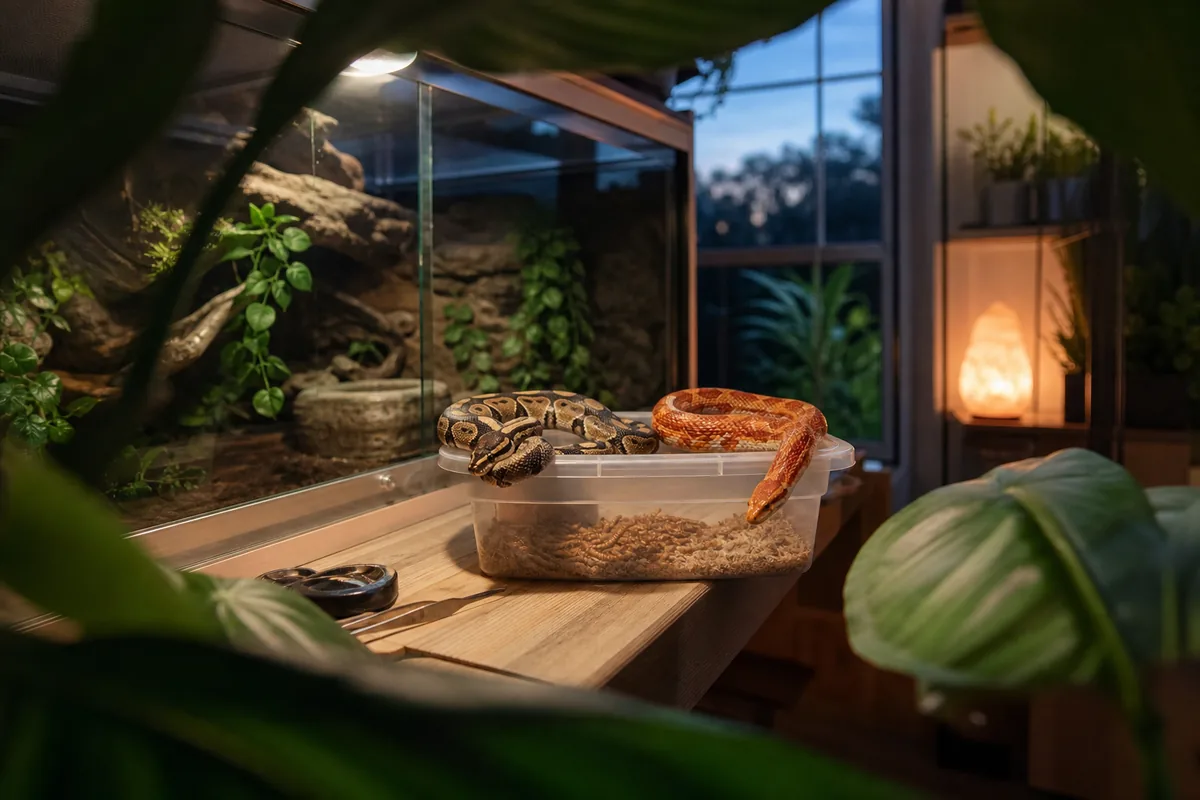
The ball python similarly relies on belly heat rather than overhead basking, making a CHE the preferred nighttime option for that species too.
Mercury Vapor Bulbs: One Lamp for Both Heat and UVB
Mercury vapor bulbs combine basking heat and UVB output in a single self-ballasted lamp. The Zoo Med Powersun 100W and Exo Terra Solar Glo 160W are the two most tested options for large enclosures.
MVBs require at least 14-18 inches between the lamp and the basking surface. At shorter distances, the heat output becomes extreme while UVB remains at the correct level.
They also need a 5-10 minute warm-up period before reaching full UVB output.
- Zoo Med Powersun 100W: UVI 4-6 at 14 inches, good for medium-large enclosures
- Exo Terra Solar Glo 160W: UVI 5-8 at 18 inches, best for 4x4 ft or larger setups
- Arcadia D3 Basking Lamp: European standard, combines D3 UVB with heat, available in 80W and 160W
What to Avoid: Red, Blue, and Purple "Night" Bulbs
Red, blue, and purple reptile night bulbs are based on a disproven assumption that reptiles cannot see these wavelengths. Research published in 2015 confirmed that most diurnal and crepuscular reptiles detect red and blue light and that colored bulbs disrupt natural rest cycles.
Use a CHE for overnight heat instead.
If you need to observe the animal at night, use a dim red-free flashlight briefly rather than running a colored bulb continuously.
Species like the corn snake, red-eared slider, chameleon, king snake, and green anole all need overnight darkness to maintain healthy light cycles.
The crested gecko is particularly sensitive to light disruption, as it is nocturnal.
Sources and references
- Reptile Vision and Response to Light Wavelengthsof Experimental Biology, 2015
- Thermal Performance of Reptile Basking Heat SourcesHerpetological Review, 2020
- Reptile Lighting and Heating GuidelinesBritish Veterinary Zoological Society, 2021