Best Pet Lizards: Ranked by What Actually Matters in Daily Keeping
The best pet lizards earn that title by being manageable in the long term, not just interesting to look at in a store. A lizard that eats every day, requires a complex diet, and needs a $600 lighting setup is not a beginner lizard regardless of how it is marketed.
We ranked these species the way we would advise a friend, using real reptile keeping experience as the filter.
Every species on this list has been kept successfully by first-time reptile owners. The differences are in daily time investment, setup cost, and what goes wrong when a keeper makes a mistake.
| Lizard | Adult Size | Enclosure | UVB | Setup Cost | Lifespan |
|---|---|---|---|---|---|
| Leopard Gecko | 7-10 inches | 20 gal long | Optional | $100-$370 | 10-20 yrs |
| Crested Gecko | 6-8 inches | 18x18x24 in tall | Optional | $100-$350 | 15-20 yrs |
| Bearded Dragon | 18-24 inches | 120 gal (4x2x2 ft) | Yes (12-14%) | $230-$830 | 10-15 yrs |
| Blue-Tongue Skink | 18-24 inches | 4x2x2 ft | Yes (6-10%) | $200-$600 | 15-20 yrs |
| Ackie Monitor | 24-28 inches | 6x3x3 ft | Yes (10-12%) | $400-$1,000 | 15-20 yrs |
| Gargoyle Gecko | 4-5 inches | 12x12x18 in | Optional | $100-$300 | 15-20 yrs |
Leopard Gecko: Best Pet Lizard Overall
Leopard geckos win this list because they require the shortest list of things to get exactly right. One under-tank heater on a thermostat, three hides, a moist hide with sphagnum moss, and live insects every 2-3 days.
That is the entire recipe for a gecko that will live 15+ years in good health.
Their crepuscular schedule means they are active after dark, which does not suit keepers who want a daytime-visible animal. However, their 10-20 year lifespan, minimal space requirement, and tolerance of a keeper who travels for a few days make them uniquely practical.
- Best for: Apartment keepers, first-time reptile owners, kids with adult supervision
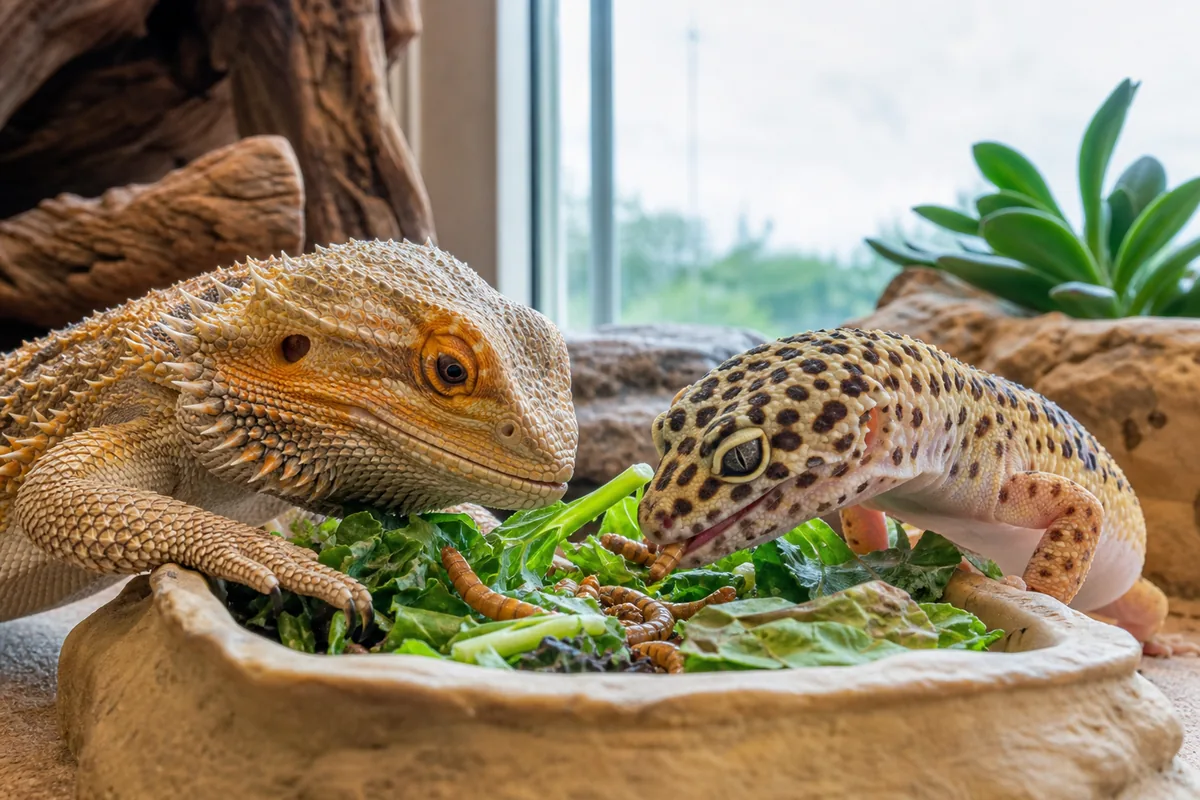
- Diet: Crickets, dubia roaches, mealworms. No vegetables required.
- Space needed: A 30x12 inch footprint on a shelf or desk
- Handling: Tolerates regular sessions, tames within 2-4 weeks
Pros
- Lowest combined setup and maintenance cost on this list
- No UVB required for basic health
- Three-day feeding interval, not daily
- Small footprint fits any living space
- Handles well with regular practice
Cons
- Active after dark, not visible during daytime
- Requires three hides or will stress
- Cannot tolerate loose substrate without impaction risk
Crested Gecko: Best Budget Pet Lizard
Crested geckos offer something no other lizard on this list can match: a complete powdered diet. Pangea and Repashy crested gecko diet (CGD) mixes with water to provide all the nutrition a crested gecko needs.
Live insects supplement the diet but are not required for survival.
Their arboreal nature means they need a tall enclosure rather than floor space. An 18x18x24 inch Exo Terra with live or artificial plants and several climbing branches satisfies their full behavioral range.
- Diet advantage: CGD powder + water = complete nutrition, no live prey required
- Temperature limit: Cannot sustain above 80°F (needs air conditioning in warm climates)
- Tail drop: Permanent if stressed, tail does not regrow
- Handling style: Quick moving, best hand-walked rather than gripped
Pros
- Powdered CGD diet eliminates live prey obligation
- Arboreal, does not need floor space
- No UVB required
- 15-20 year lifespan
- Hundreds of color morphs available
Cons
- Cannot tolerate temperatures above 80°F
- Tail drop is permanent if animal is stressed
- More fragile and quick-moving than leos
- Not as handleable as leopard geckos or beardies
Bearded Dragon: Best Pet Lizard for Human Interaction
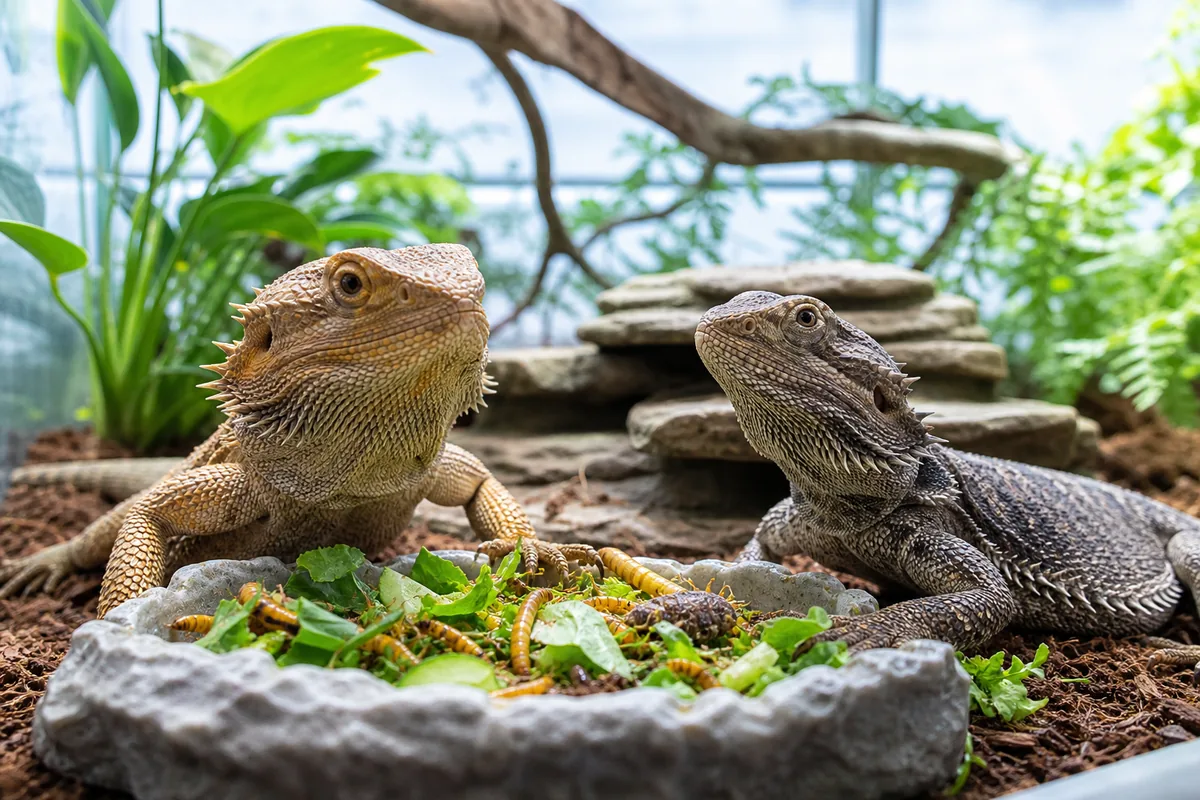
No lizard on this list is more interactive than a bearded dragon. Beardies recognize their keepers, approach for handling, and tolerate being carried around for extended periods.
A well-socialized adult beardie is the closest thing to a dog in the lizard world.
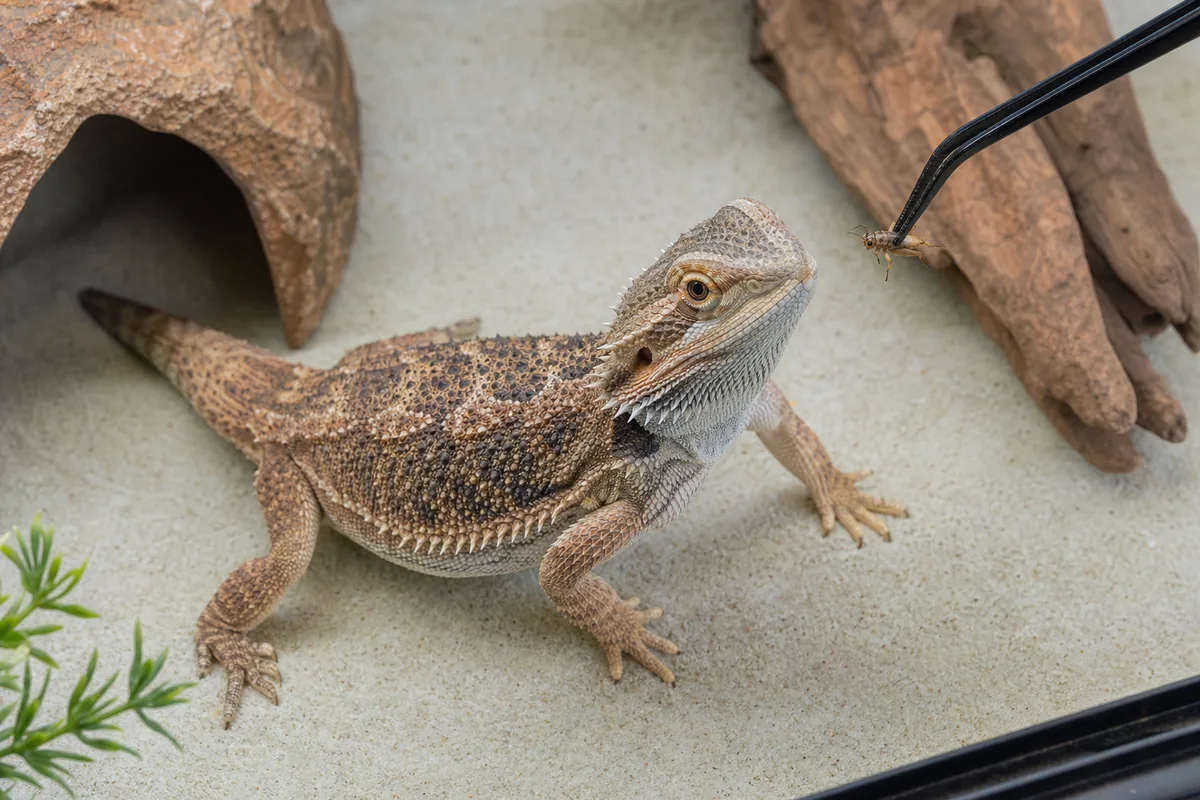
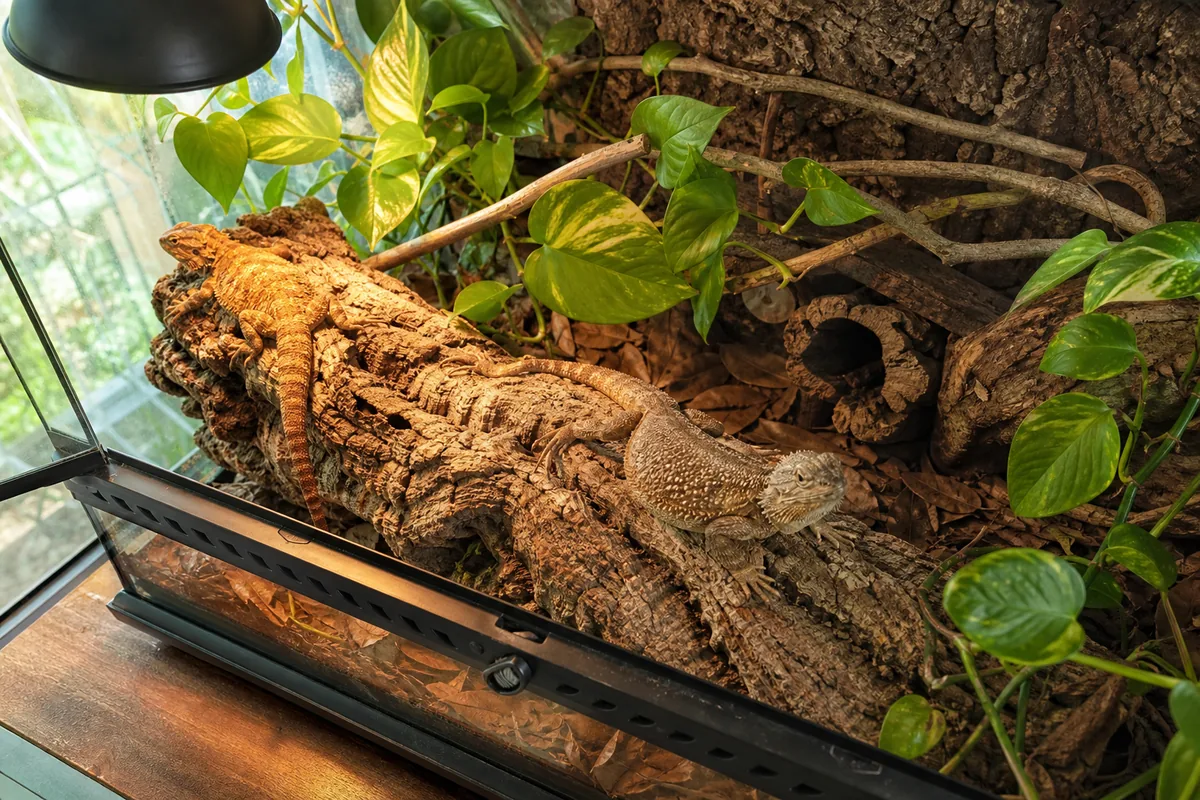
The daily care requirement is real: fresh vegetables every morning, live protein 3-5 times weekly, UVB lighting for 12-14 hours daily, and a basking spot that reaches 105-115°F on a thermostat. This is a 15-20 minute per day commitment, not a set-it-and-forget-it pet.
Blue-Tongue Skink: Best Pet Lizard for Keepers Who Want a Chunky, Dog-Like Reptile
Blue-tongue skinks are the underrated option on this list. They are heavy-bodied, slow-moving lizards that tame extremely quickly and accept a varied omnivore diet of commercial cat food, vegetables, fruit, and insects.
A blue-tongue skink that has been handled from a young age is one of the most docile reptiles in the hobby.
The setup cost is comparable to a bearded dragon because they require UVB lighting and a 4x2x2 foot enclosure. Indonesian and Northern blue-tongues are the most commonly available subspecies, with Northern blue-tongues being the more handleable and cold-hardy option.
- Diet: 50% protein (cat food, insects), 40% vegetables, 10% fruit
- UVB requirement: 6-10% T5 HO, less intense than bearded dragons
- Temperament: Slow, heavy, tames very quickly with handling
- Subspecies note: Northern blue-tongue skink (T. scincoides intermedia) is the most recommended
Ackie Monitor: Best Pet Lizard for Advanced Beginners
Ackie monitors (Varanus acanthurus) are the smallest monitor lizard and the one most truly suited to experienced beginners. They reach 24-28 inches and are significantly more active and intelligent than the other lizards on this list.
Ackies require a 6x3x3 foot enclosure with 8-12 inches of diggable substrate, temperatures reaching 120-130°F at the basking spot, and a diet of live prey including roaches, crickets, and occasional mice. This is not a beginner species, but it is the gateway to monitor keeping done right.
Gargoyle Gecko: Best Small Pet Lizard
Gargoyle geckos are slower-moving and more handleable than crested geckos, with a regenerating tail that gives them a significant advantage over cresties for keepers who handle frequently. They eat the same CGD powder diet and accept the same arboreal enclosure setup.
Their 15-20 year lifespan and forgiving temperament make them an excellent second gecko for keepers who already keep leopard geckos.
The morph variety is growing but remains limited compared to leopard geckos or crested geckos.
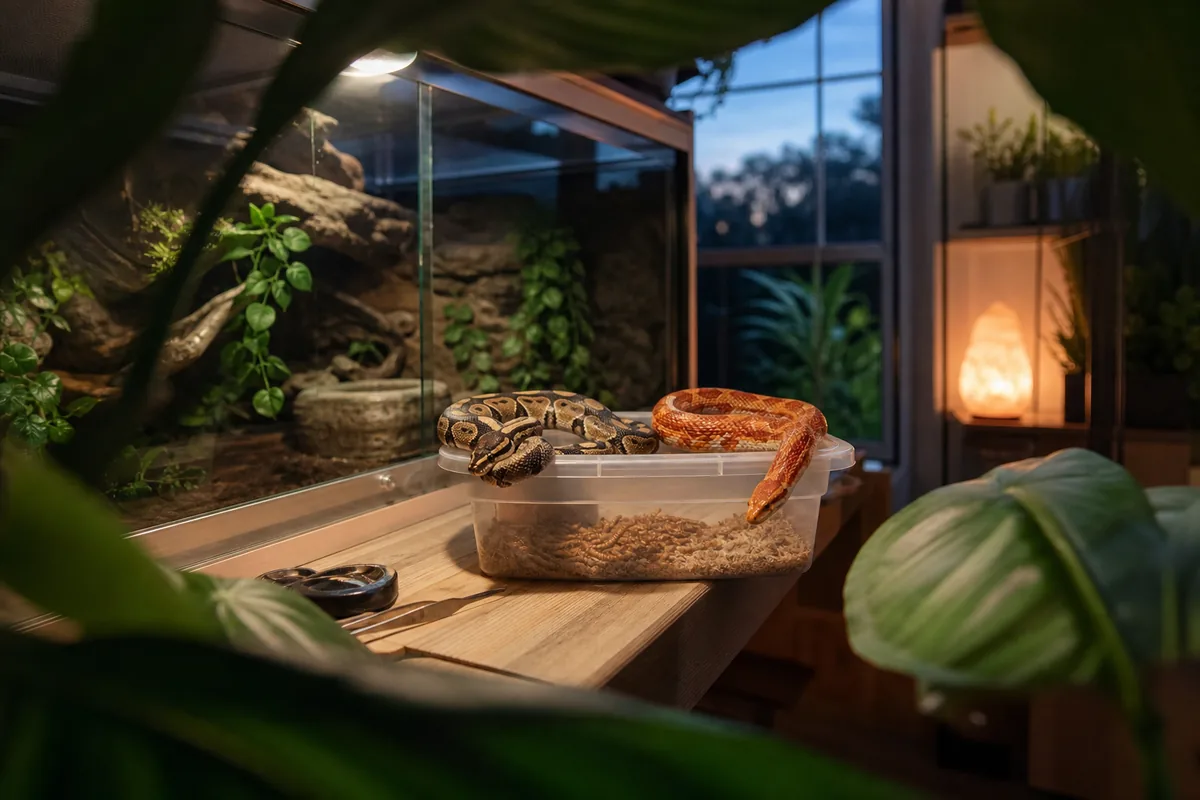
Keepers interested in non-lizard options should look at the ball python for a calm handleable snake, or the corn snake for a lower-cost active snake.
The red-eared slider is the top pick for aquatic keepers.
The chameleon is for display-focused experienced keepers, while the king snake and green anole suit keepers who want small, active animals.
The tokay gecko is a gecko for experienced handlers only.
Sources and references
- Husbandry and Veterinary Care of Common Pet LizardsVeterinary Clinics of North America: Exotic Animal Practice, 2022
- Nutritional Disorders in Captive Lizardsof Herpetological Medicine and Surgery, 2019
- Gecko Husbandry StandardsAssociation of Reptilian and Amphibian Veterinarians, 2021