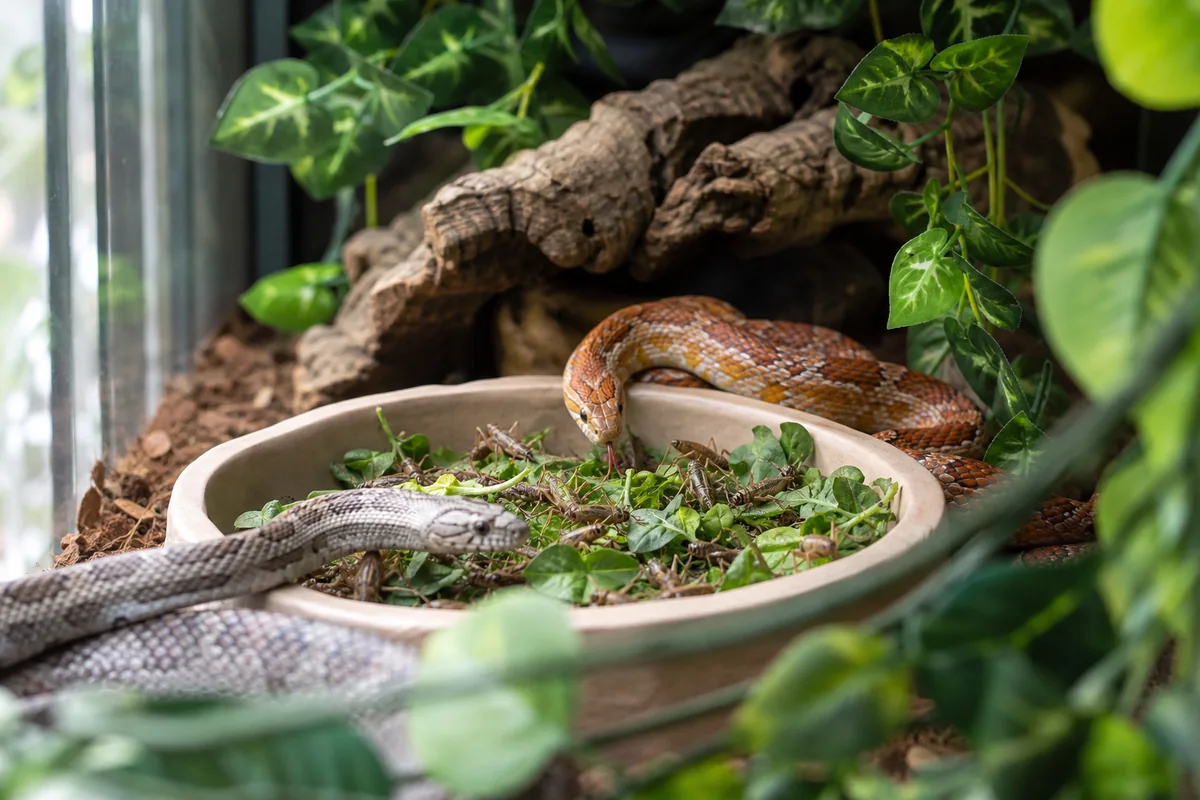
Best Pet Snakes: Ranked for Real Keepers, Not for Sales
The best pet snakes earn their ranking by being safe to handle, reliable feeders (most of the time), and manageable in terms of size and setup cost. Every species on this list can be kept safely and ethically by a keeper with no prior snake experience.
The reptile care guide covers enclosure setup for each of these species in detail.
We excluded species like blood pythons, hognose snakes, and large pythons from this list deliberately. Blood pythons are defense-biters that require years to tame.
Hognose snakes have rear fangs and mild venom. Reticulated pythons grow to 15+ feet and require two-person handling by adults.
| Snake | Adult Size | Enclosure | Humidity | Setup Cost | Feeding Reliability |
|---|---|---|---|---|---|
| Ball Python | 3-5 ft, heavy | 4x2x2 ft PVC | 60-80% | $195-$830 | Moderate (seasonal strikes) |
| Corn Snake | 3-5 ft, slender | 4x2x1 ft | 40-60% | $100-$400 | Excellent |
| Western Hognose | 1.5-3 ft | 3x1.5x1 ft | 40-60% | $100-$350 | Good (can be picky) |
| King Snake | 3-6 ft | 4x2x1 ft | 40-60% | $100-$350 | Excellent |
| Rosy Boa | 2-4 ft | 3x1.5x1 ft | 30-50% | $100-$300 | Good |
| Children's Python | 2.5-3.5 ft | 3x2x2 ft | 50-60% | $150-$450 | Excellent |
Ball Python: Best Pet Snake for Handling and Morph Variety
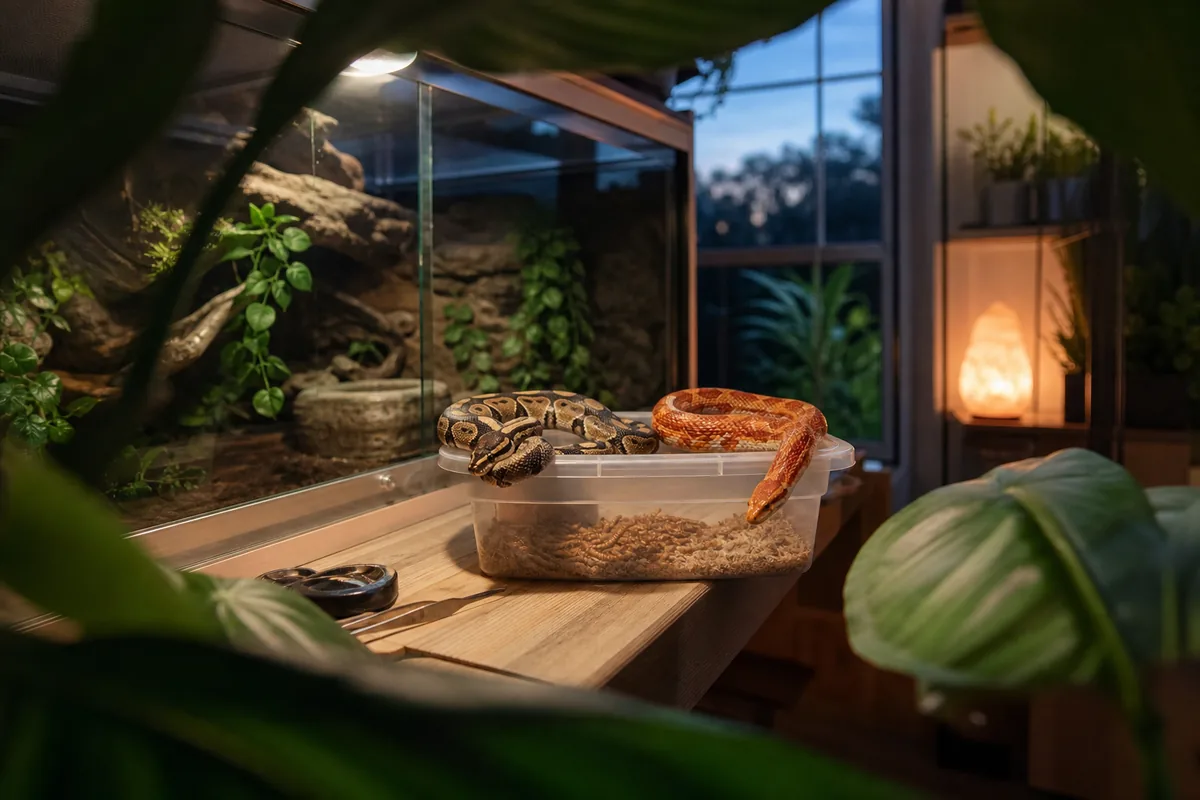
Ball pythons are the most widely kept pet snake in the world, and the reason is simple: they almost never bite. Their defensive response is to curl into a tight ball with the head tucked in the center, which makes them nearly impossible to injure themselves through defensive behavior during handling.
The morph catalog is unmatched by any other snake species. From $50 normals to $5,000+ collector morphs, ball pythons offer a collecting hobby within snake keeping that no other species approaches.
The pastel, spider, piebald, and clown genes are the most common entry-level morphs.
- Adult weight: 1,200-1,800g, heavy-bodied and satisfying to handle
- Temperament: Defensive curl behavior, almost never bites
- Morph catalog: Thousands of genetic combinations, prices from $50 to $10,000+
- Feeding weakness: Seasonal strikes in males, often October through February
- Humidity requirement: 60-80%, requires PVC or wood enclosure
Pros
- Calmest, most handleable snake on this list
- Deepest morph catalog of any pet snake species
- Heavy body weight makes handling feel satisfying
- 20-30 year lifespan
- Feeds only every 10-14 days as adult
Cons
- Seasonal feeding strikes stress new keepers
- Requires PVC or wood enclosure for 60-80% humidity
- Higher setup cost than most snakes on this list
- Very low activity level, rarely visible outside hide
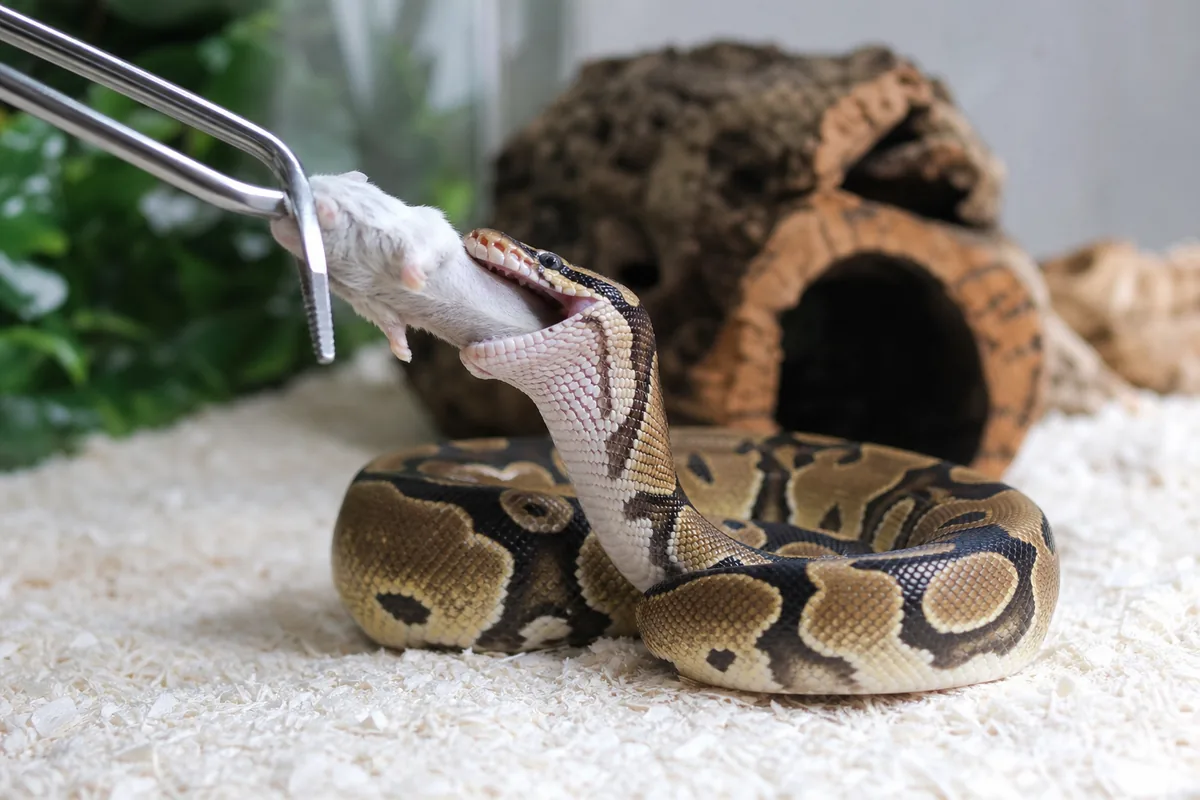
Corn Snake: Best Budget Pet Snake
Corn snakes are the most reliably feeding snake on this list, and that single fact makes them the best recommendation for any keeper who is anxious about watching a snake refuse meals. Adult corn snakes accept frozen-thawed adult mice every 7-10 days with almost no exceptions outside of shedding cycles.
They are slender, lightweight, and faster-moving than ball pythons, which makes handling feel different. Juvenile corn snakes are defensive and quick, but consistent handling from 8-12 weeks of age produces a calm adult within 4-6 months.
- Feeding reliability: Best on this list, accepts frozen-thawed from day one
- Humidity: 40-60%, works in standard glass tanks with partial screen coverage
- Escape tendency: Very high, any ¼-inch gap is a potential exit
- Morph availability: Hundreds of color morphs, most priced $30-$100
- Activity level: High, frequently visible in the enclosure
Pros
- Most consistent feeder of any beginner snake
- Low humidity works in standard glass tanks
- Affordable morphs from $30-$100
- Active and visible in the enclosure frequently
- Tames to calm adult with consistent handling
Cons
- Escape artist, requires locked secure enclosure
- Juvenile corn snakes bite readily when defensive
- Slender body makes some keepers feel less connected
- Less morph depth than ball pythons
Western Hognose Snake: Best Pet Snake for Intermediate Keepers
Western hognose snakes are the theatrical performer of the snake world. When threatened, they flatten their necks into a cobra-like hood, hiss loudly, and if that fails, roll onto their back and play dead with their mouth open.
It is entirely harmless and deeply entertaining.
Hognose snakes have rear-positioned Duvernoy's glands that produce mild saliva that can cause swelling in sensitive individuals. They are not considered venomous under most legal definitions, but keepers with allergies to venom proteins should research this before handling.
Most bites cause nothing more than a small red mark.
- Defensive behavior: Cobra-hood display, death feigning, hissing (all harmless)
- Diet quirk: May require toad-scented mice to accept frozen-thawed prey
- Size advantage: Small adult size (1.5-3 ft) works in a compact enclosure
- Legal status: Check local regulations, some areas restrict hognose ownership
King Snake: Best Beginner Snake That Also Eats Other Snakes
King snakes are excellent beginner snakes with one significant caveat: they eat other snakes and must always be housed alone. They are immune to the venom of pit vipers, which is a notable biological quirk, but it means mixing a king snake with any other reptile is a feeding accident waiting to happen.
California king snakes are the most available subspecies, with banded, striped, and albino morphs widely available for $50-$150. They feed consistently, tame quickly, and reach a manageable 3-5 feet in length.
Rosy Boa: Best Small Pet Snake for Dry Climates
Rosy boas are the small boa alternative for keepers who want a boa constrictor temperament without the 8-10 foot adult size. They reach 2-4 feet, require only 30-50% humidity, and feed on small adult mice every 7-10 days as adults.
Their calm, slow-moving temperament combined with their small enclosure requirement makes them ideal for keepers in dry climates or apartments where a large enclosure is not practical. They are the most drought-adapted snake on this list and have almost no humidity maintenance requirement.
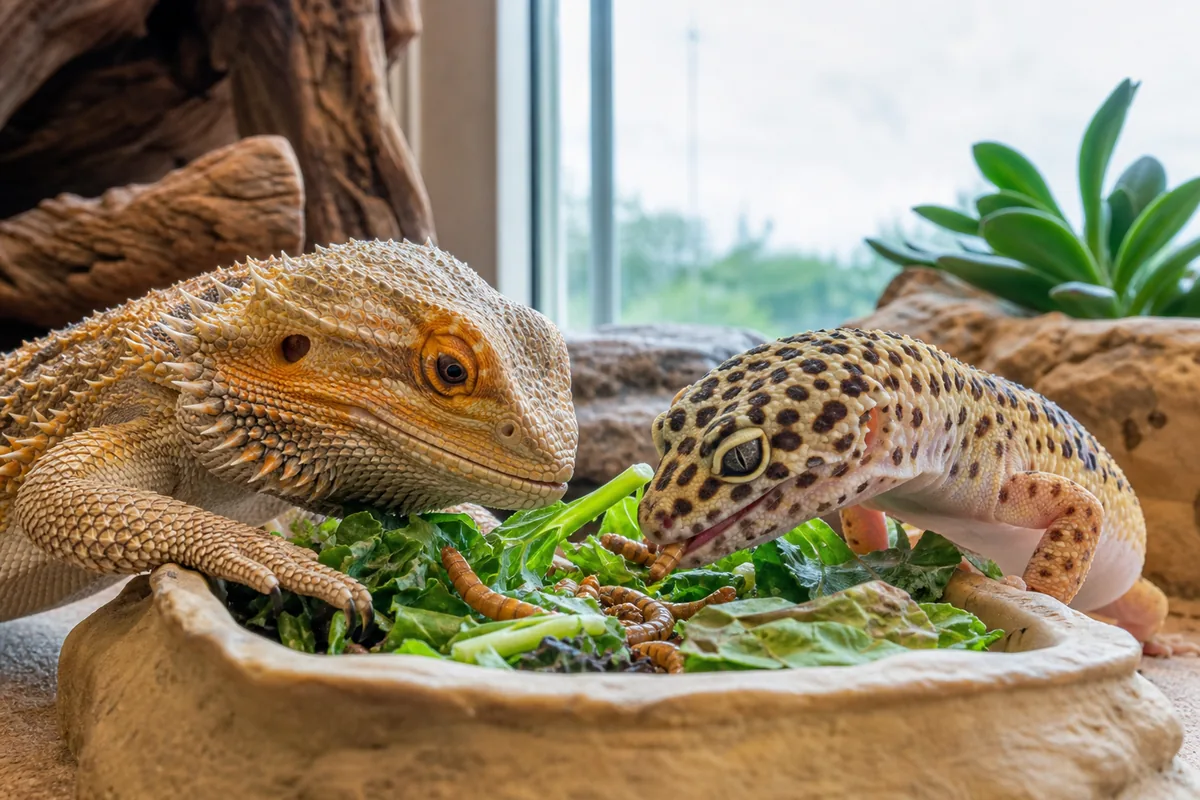
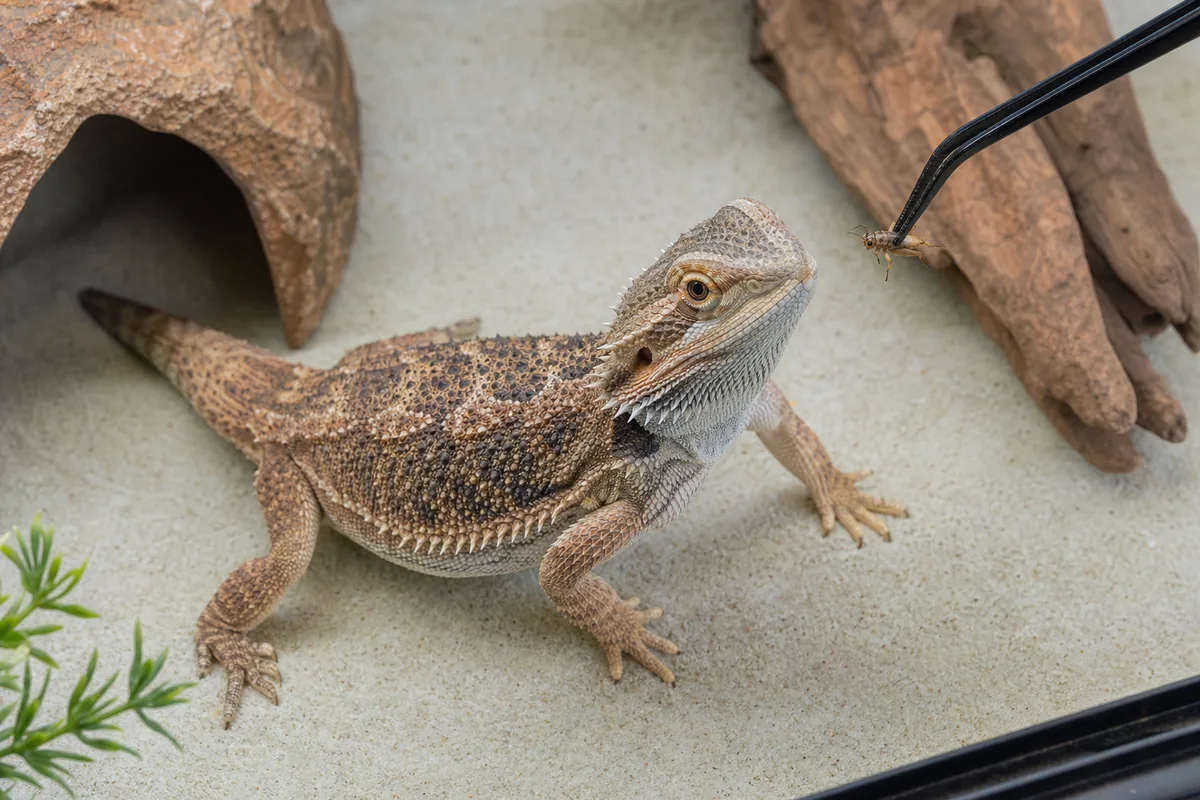
Keepers who want a lizard instead should consider the bearded dragon for daytime interaction, the leopard gecko for the simplest care, or the crested gecko for a powder-diet arboreal option.
The blue-tongue skink is the best lizard for those who want a heavy, dog-like reptile.
The red-eared slider suits aquatic keepers, the chameleon suits experienced display keepers, the green anole is a small active option, and the tokay gecko is for handlers who want a challenge.
- Size advantage: Adult 2-4 ft, permanent small snake
- Humidity: 30-50%, no enclosure humidity management needed in dry climates
- Temperament: Slow, calm, tolerates handling well
- Availability: Less common than corn snakes or ball pythons, check specialty breeders
Sources and references
- Captive Snake Husbandry: Common Species Reviewof Exotic Pet Medicine, 2021
- Python regius Population Biology and Captive ManagementAfrican of Herpetology, 2020
- Best Practices for Colubrid Snake HusbandryAssociation of Reptilian and Amphibian Veterinarians, 2022